

Can Zinc Tablets Cause Acid Reflux?
Have you ever taken a zinc tablet and then noticed nausea, stomach discomfort, or a burning sensation that feels a little like heartburn? Zinc is an essential mineral, but oral zinc supplements can cause gastrointestinal irritation in some people.
So, can zinc supplements actually cause acid reflux? The answer is a little more complicated than a simple yes or no.
Zinc is known to cause stomach-related side effects, particularly at higher doses. These symptoms can sometimes feel like acid reflux or make existing reflux more noticeable.
Quick Answer: Zinc supplements can cause nausea, stomach irritation and digestive discomfort in some people. These symptoms may feel similar to heartburn or make existing acid reflux more noticeable, although zinc is not established as a direct cause of GERD. Higher doses may be more likely to cause gastrointestinal side effects. Following the product directions and taking zinc with food when the label allows may improve tolerance.
Zinc's Essential Role in the Body
Zinc is an essential trace mineral involved in many normal processes in the body, including:
- Normal immune system function
- Wound healing
- Cell growth and division
- Normal enzyme activity
- Protein and DNA synthesis
- Maintaining normal taste and smell
The body does not have a specialized system for storing large amounts of zinc, which means a regular dietary supply is important. However, that does not mean everyone needs a high-dose zinc supplement.
If you want broader information about zinc requirements, benefits and supplementation, read our complete guide to zinc tablets in Pakistan.
What Is Acid Reflux?
Acid reflux occurs when stomach contents move back into the esophagus. Common symptoms can include:
- A burning sensation in the chest or throat
- A sour or acidic taste in the mouth
- Regurgitation
- Burping
- Upper abdominal discomfort
Occasional reflux is common, but frequent or persistent symptoms can be associated with gastroesophageal reflux disease, commonly known as GERD.
Can Zinc Tablets Cause Acid Reflux?
Zinc supplements are better known for causing nausea, upset stomach, abdominal discomfort, vomiting or diarrhea than for directly causing acid reflux.
However, gastrointestinal irritation after taking zinc can sometimes produce burning, nausea or upper-stomach discomfort that may feel similar to heartburn. People who already experience acid reflux may also notice their symptoms more after taking certain supplements.
This means it is more accurate to say that zinc can cause digestive irritation or heartburn-like symptoms rather than saying that zinc directly causes GERD.
How Zinc Tablets Can Affect Your Stomach
Zinc Can Cause Gastrointestinal Irritation
Nausea and stomach upset are recognized side effects of oral zinc supplements. Individual tolerance varies, and some people can take zinc without any digestive problems while others notice discomfort soon after taking it.
Taking Zinc Without Food May Be Harder for Some People
Some people find zinc harder to tolerate when it is taken without food. If your product directions allow zinc to be taken with a meal, doing so may help reduce nausea or stomach discomfort.
However, always follow the directions provided on the individual product label because formulations and instructions can vary.
Higher Zinc Intake Can Increase the Risk of Side Effects
More zinc is not automatically better.
The tolerable upper intake level for adults is 40mg of zinc per day from all sources, although this upper limit does not apply when higher doses are being used for medical treatment under professional supervision.
Excessive zinc intake can cause:
- Nausea
- Upset stomach or gastric distress
- Vomiting
- Loss of appetite
- Headache
- Diarrhea
Taking around 50mg or more for prolonged periods can also interfere with copper absorption, which is another reason high-strength zinc should not automatically be considered better.
Does Zinc Form Matter for Acid Reflux?
Zinc supplements come in several forms, including:
- Zinc gluconate
- Zinc picolinate
- Zinc citrate
- Zinc sulfate
- Zinc acetate
- Chelated zinc
You may see claims online suggesting that one type is always better absorbed or always gentler on the stomach. The evidence does not clearly establish one zinc form as the best choice for everyone.
Your experience can depend on the amount of elemental zinc, serving size, other ingredients and individual digestive tolerance, not just the zinc compound itself.
If you want to understand the differences in more detail, read our guide to zinc picolinate vs gluconate vs sulfate and other zinc forms.
Zinc Supplements to Compare
The products below provide examples of different zinc strengths and formulations available in Pakistan. They are shown for comparison and are not treatments for acid reflux.

Vitabiotics Ultra Zinc 15mg, 60 Ct
- Best for: Comparing a lower-strength zinc formula
- Strength: 15mg
- Pack: 60 Tablets

Natural Factors Zinc Chelate 25mg, 90 Ct
- Best for: Comparing a chelated zinc formula
- Strength: 25mg
- Pack: 90 Tablets
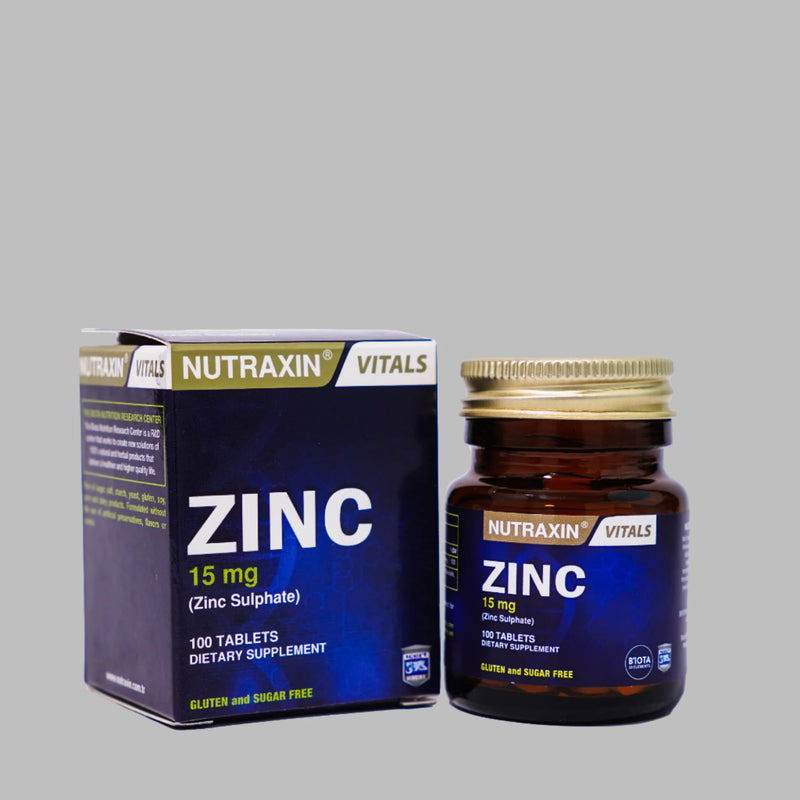
Nutraxin Zinc Sulphate 15mg
- Best for: Comparing a zinc sulfate formula
- Strength: 15mg
- Pack: 100 Tablets
Important: Do not choose a zinc supplement specifically as a treatment for heartburn or acid reflux. If zinc consistently causes digestive symptoms, review the dose and product directions and speak with a healthcare professional if necessary.
What Can Make Zinc-Related Stomach Discomfort Worse?
Digestive side effects may be more noticeable if you:
- Take a relatively high amount of zinc
- Use several supplements that all contain zinc
- Already have a sensitive stomach
- Already experience frequent heartburn or GERD
- Do not tolerate the particular formulation well
It is also worth checking your multivitamin or other mineral supplements because zinc may already be included. Your total intake matters more than the amount supplied by one bottle alone.
How to Reduce Stomach Discomfort from Zinc
If zinc seems to upset your stomach, these steps may help:
- Check the dose: Higher-strength zinc is not automatically better. Compare the amount of zinc on the Supplement Facts panel.
- Follow the product directions: Some zinc products specifically recommend taking the tablet with a main meal.
- Consider taking it with food if permitted: If zinc makes you nauseous when taken without food, taking it with a meal may improve tolerance.
- Avoid stacking zinc supplements: Check multivitamins, immunity formulas and combination mineral supplements for additional zinc.
- Consider another strength or formulation: If one product repeatedly causes discomfort, a healthcare professional or pharmacist can help you compare alternatives.
- Watch your usual reflux triggers: If coffee, spicy meals, acidic foods or lying down shortly after eating normally trigger your reflux, taking supplements around those same triggers may make it difficult to determine what is causing the symptoms.
Can Zinc Interact With Medicines?
Yes. Zinc can interact with certain medicines, so timing may matter.
In particular, zinc can interfere with the absorption of some quinolone and tetracycline antibiotics. The NIH recommends taking these antibiotics at least 2 hours before or 4 to 6 hours after a zinc supplement.
Zinc can also interfere with penicillamine, a medicine used for conditions such as rheumatoid arthritis and Wilson disease.
If you take regular medication, ask your doctor or pharmacist whether your zinc supplement needs to be separated from it.
Is Heartburn More Likely With High-Dose Zinc?
High zinc intake is more clearly associated with general gastrointestinal side effects such as nausea, gastric distress, vomiting and diarrhea.
That does not mean everyone taking a high-strength zinc tablet will develop heartburn. However, if your digestive symptoms began after starting a high-dose supplement, the amount you are taking is worth reviewing.
For adults, the general upper intake level is 40mg of zinc per day from food, supplements and other sources combined. This upper limit does not apply to medically supervised treatment.
Can Zinc Cause Nausea Without Acid Reflux?
Yes. Nausea is one of the better-established gastrointestinal side effects of zinc supplementation.
This matters because nausea, upper abdominal discomfort and a metallic or unpleasant sensation after swallowing a tablet may sometimes be interpreted as acid reflux even when reflux is not actually the cause.
If you experience diarrhea rather than heartburn, you can also read our guide on whether zinc supplements can cause diarrhea.
When Should You Speak With a Doctor?
Occasional mild stomach discomfort after taking a supplement may resolve after changing how the supplement is taken or reviewing the dose.
However, seek medical advice if you experience:
- Persistent or frequent heartburn
- Repeated vomiting
- Severe abdominal pain
- Difficulty swallowing
- Symptoms every time you take zinc
- Symptoms that continue after stopping the suspected supplement
- Regular reflux that interferes with eating or sleeping
Persistent symptoms should not automatically be blamed on a supplement because reflux and upper-abdominal discomfort can have many causes.
Final Thoughts
So, can zinc supplements cause acid reflux?
Zinc is not clearly established as a direct cause of GERD, but oral zinc supplements can cause nausea, gastric distress and other digestive symptoms. For some people, that discomfort can feel like heartburn or make existing reflux symptoms more noticeable.
The amount of zinc you take, the complete formulation and your individual tolerance can all matter. Rather than assuming that one zinc form is automatically best for reflux, check the elemental zinc amount, follow the product directions and avoid unnecessarily high long-term intake.
If symptoms repeatedly occur after taking zinc, speak with a healthcare professional or pharmacist rather than simply continuing the same supplement.
Frequently Asked Questions
1. Can zinc tablets cause heartburn?
Zinc tablets can cause gastrointestinal irritation, including nausea and upset stomach. Some people may interpret this discomfort as heartburn or notice that existing reflux becomes more noticeable after taking zinc.
2. Can zinc lozenges cause heartburn?
Zinc lozenges can also cause unpleasant taste, nausea or digestive discomfort in some people. If symptoms occur repeatedly, review how often you are using the lozenges and the total amount of zinc they provide.
3. Should I take zinc with food if it upsets my stomach?
If the product label permits it, taking zinc with food may make it easier to tolerate for people who experience nausea or stomach discomfort. Follow the directions provided with your specific supplement.
4. Is zinc better on an empty stomach?
Absorption and product instructions can vary, but digestive tolerance is also important. If taking zinc without food causes nausea or stomach irritation, check whether your product can be taken with a meal instead.
5. Which type of zinc is easiest on the stomach?
There is not enough evidence to say that zinc picolinate, citrate, gluconate, sulfate or another form is universally easiest on the stomach. Individual tolerance, elemental zinc amount and formulation can all influence digestive side effects.
6. Can 50mg of zinc upset your stomach?
Yes. Higher supplemental zinc intake can cause nausea and gastric distress. A 50mg amount also exceeds the general adult upper intake level of 40mg per day, although higher doses may sometimes be used under professional medical supervision.
7. How long do zinc stomach side effects last?
Mild digestive symptoms may improve after the supplement is stopped or the cause is addressed, but the duration varies. Persistent, severe or recurring symptoms should be discussed with a healthcare professional.
8. Should I stop taking zinc if I get heartburn?
If symptoms repeatedly occur after taking zinc, review the dose and product directions and consider pausing the supplement while seeking advice from a healthcare professional or pharmacist. Do not stop medically prescribed zinc without speaking with the clinician managing your treatment.

