

13 Essential Vitamins: Benefits, Food Sources & Daily Needs

Vitamins are essential micronutrients your body needs in relatively small amounts to carry out hundreds of everyday functions. They help support normal vision, energy metabolism, immunity, red blood cell formation, bones, muscles, skin, nerves and many other processes.
There is no single vitamin that provides “overall health” by itself. Your body needs 13 essential vitamins, and each one has a different job. For most healthy adults, food should provide the foundation. Supplements may be useful when your diet does not provide enough of a nutrient, your requirements change, or a deficiency has been identified.
Quick Answer: The human body needs 13 essential vitamins: A, B1, B2, B3, B5, B6, B7, B9, B12, C, D, E and K. Vitamins A, D, E and K are fat-soluble, while vitamin C and all eight B vitamins are water-soluble. These nutrients support functions including vision, energy metabolism, nerves, immunity, collagen formation, bones and normal blood clotting. Most adults should obtain vitamins primarily from a varied diet. If additional nutritional support is appropriate, you can compare individual nutrients through our vitamin supplements in Pakistan collection.
How Many Essential Vitamins Are There?
There are 13 vitamins considered essential for human health:
- Vitamin A
- Vitamin B1 – Thiamin
- Vitamin B2 – Riboflavin
- Vitamin B3 – Niacin
- Vitamin B5 – Pantothenic Acid
- Vitamin B6 – Pyridoxine
- Vitamin B7 – Biotin
- Vitamin B9 – Folate
- Vitamin B12 – Cobalamin
- Vitamin C – Ascorbic Acid
- Vitamin D
- Vitamin E
- Vitamin K
You may notice that there is no vitamin B4, B8, B10 or B11 on this list. Compounds once given some of these names were later found not to meet the scientific definition of an essential vitamin.
Water-Soluble vs Fat-Soluble Vitamins
Vitamins are divided into two major groups according to how they are absorbed and stored in the body.
The 13 Essential Vitamins
Water-Soluble
9 vitamins
Vitamin C
B1, B2, B3, B5, B6, B7, B9 & B12
Most need to be consumed regularly because the body stores relatively limited amounts of many water-soluble vitamins.
Fat-Soluble
4 vitamins
Vitamin A
Vitamin D
Vitamin E
Vitamin K
These can be stored in body tissues, making unnecessary high-dose supplementation particularly important to avoid.
13 Essential Vitamins and What They Do
| Vitamin | Main Functions | Good Food Sources |
|---|---|---|
| Vitamin A | Vision, immunity, cell development and normal skin | Eggs, dairy, carrots, pumpkin, spinach, liver |
| B1 – Thiamin | Energy metabolism and normal nerve function | Whole grains, legumes, meat, seeds |
| B2 – Riboflavin | Energy metabolism and cellular processes | Milk, yogurt, eggs, meat, almonds |
| B3 – Niacin | Helps the body use energy from food | Chicken, fish, meat, peanuts, grains |
| B5 – Pantothenic Acid | Energy metabolism and synthesis of important compounds | Chicken, eggs, mushrooms, whole grains, legumes |
| B6 – Pyridoxine | Protein metabolism, neurotransmitter production, red blood cells and immunity | Chicken, fish, potatoes, bananas, chickpeas |
| B7 – Biotin | Metabolism of carbohydrates, fats and proteins | Eggs, nuts, seeds, fish, meat |
| B9 – Folate | DNA synthesis, cell division and normal red blood cell formation | Leafy vegetables, daal, beans, citrus fruit |
| B12 – Cobalamin | Normal nerves, DNA synthesis and red blood cells | Meat, fish, eggs, milk and fortified foods |
| Vitamin C | Collagen formation, antioxidant protection and iron absorption | Guava, kinnow, oranges, peppers, tomatoes |
| Vitamin D | Calcium absorption, bones, muscles and normal immune function | Sun exposure, oily fish, egg yolks, fortified foods |
| Vitamin E | Antioxidant protection of cells | Nuts, seeds, vegetable oils, spinach |
| Vitamin K | Normal blood clotting and proteins involved in bone metabolism | Spinach, broccoli, leafy greens and vegetable oils |
1. Vitamin A – Vision, Immunity & Normal Cell Growth
Vitamin A is best known for its role in normal vision, especially the ability to see in low-light conditions. It also contributes to normal immune function, reproduction, cell differentiation and the maintenance of healthy epithelial tissues such as the skin.
Vitamin A comes in different forms. Animal foods can provide preformed vitamin A, while plant foods such as carrots, pumpkin and spinach contain carotenoids such as beta-carotene that the body can convert into vitamin A.
Good Food Sources of Vitamin A
- Carrots
- Sweet potatoes
- Pumpkin
- Spinach and other leafy greens
- Eggs
- Milk and dairy products
- Liver
Supplement note: High-dose preformed vitamin A is not something every adult should take routinely. Excess intake can be harmful, and pregnancy requires particular caution.
Product to Compare for Vitamin A
At the time of this update, the dedicated Vitamin A products on Vitamins House are out of stock. Rather than directing readers to an unavailable high-strength Vitamin A product, the following in-stock multivitamin provides Vitamin A alongside other essential nutrients.

Vivioptal Multi, 30 Ct
- Best for: Adults who prefer Vitamin A within a broader multivitamin rather than a high-dose standalone formula
- Pack: 30 Softgels
- Price: Rs4,270
2–9. B Vitamins – The Eight Essential B Vitamins
The term B vitamins refers to eight different vitamins rather than a single nutrient.
They participate in energy metabolism, nervous system function, DNA synthesis, red blood cell formation and many other cellular processes.
An important distinction is that B vitamins help your body use energy from food. They do not act like caffeine and should not be described as providing instant energy to someone whose B-vitamin status is already adequate.
The Eight B Vitamins
| B Vitamin | Also Known As | Key Role |
|---|---|---|
| B1 | Thiamin | Energy metabolism and nerve function |
| B2 | Riboflavin | Energy production and cellular processes |
| B3 | Niacin | Energy metabolism |
| B5 | Pantothenic Acid | Metabolism and synthesis of coenzyme A |
| B6 | Pyridoxine | Protein metabolism, nerves and red blood cells |
| B7 | Biotin | Fat, carbohydrate and protein metabolism |
| B9 | Folate | DNA synthesis and cell division |
| B12 | Cobalamin | Nerves, DNA and red blood cell formation |
Who Should Pay Particular Attention to Vitamin B12?
Vitamin B12 occurs naturally mainly in animal-derived foods. Vegans therefore need a reliable source through fortified foods or supplementation.
Adults over 50 may also absorb naturally occurring B12 from food less efficiently, which is why fortified foods and supplements can become more relevant with age.
Folate Before and During Pregnancy
Folate is particularly important before conception and during early pregnancy. Women who could become pregnant are commonly advised to obtain folic acid from fortified food and/or supplements in addition to dietary folate.
You can compare individual products in our folic acid supplements collection.
Recommended B-Complex Option
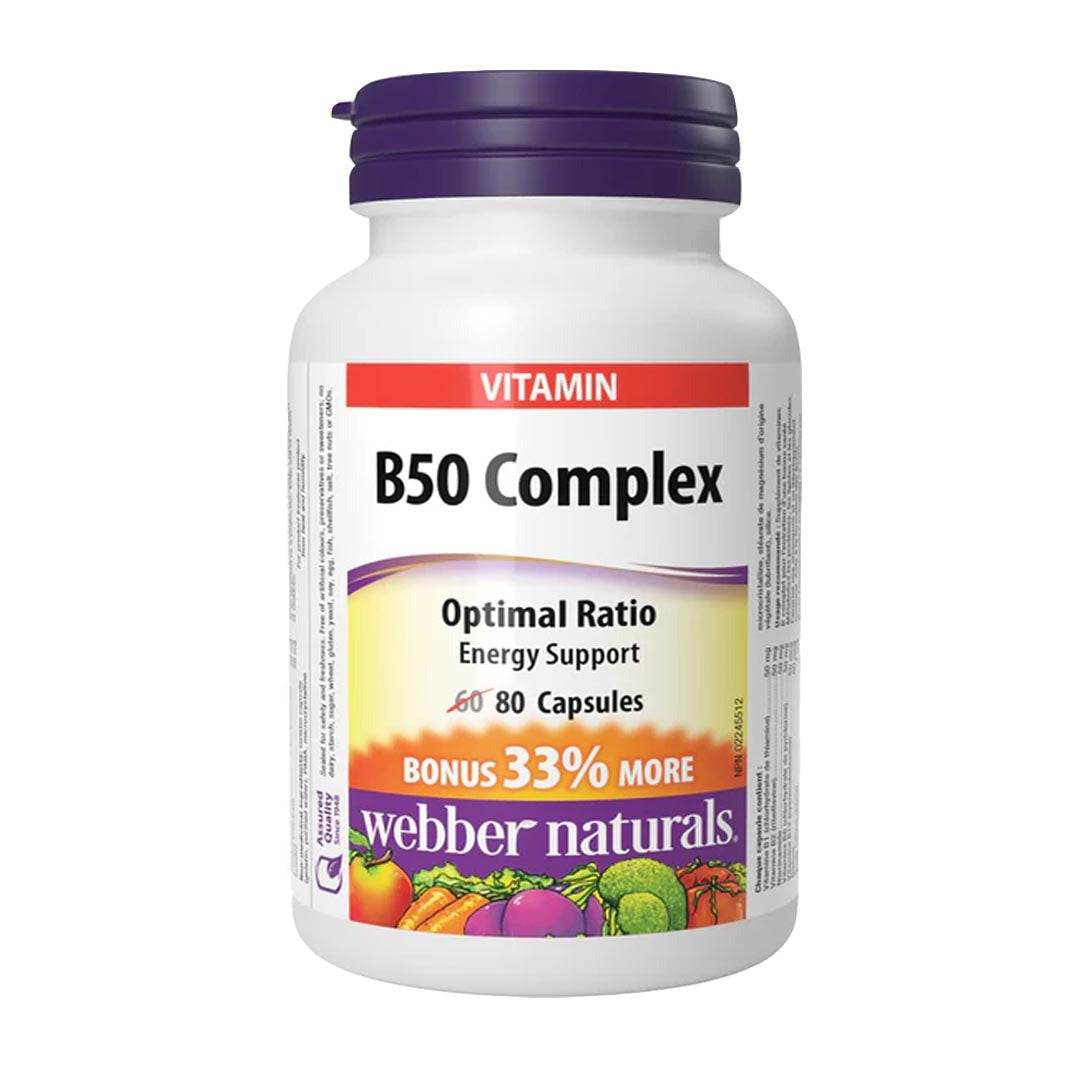
Webber Naturals B50 Complex, 80 Ct
- Best for: Adults comparing a complete B-complex formula when additional B-vitamin intake is appropriate
- Pack: 80 Capsules
- Price: Rs4,250
Note: B50 formulas are high-potency compared with ordinary dietary requirements. A bigger number on the label does not automatically mean a better choice for daily use.
10. Vitamin C – Collagen, Antioxidant Protection & Iron Absorption
Vitamin C, or ascorbic acid, is a water-soluble vitamin required for normal collagen formation. Collagen contributes to the structure of skin, cartilage, bones and blood vessels.
Vitamin C also acts as an antioxidant and improves absorption of non-heme iron from plant foods.
It contributes to normal immune function, but taking increasingly large amounts should not be presented as a way to make the immune system infinitely stronger or prevent every infection.
Good Sources of Vitamin C in Pakistan
- Guava
- Kinnow
- Oranges
- Lemons
- Bell peppers
- Tomatoes
- Strawberries
- Broccoli
Recommended Vitamin C Option

Nature's Bounty Vitamin C 500mg, 100 Ct
- Best for: Adults wanting a straightforward vitamin C-only tablet when extra dietary intake is needed
- Pack: 100 Tablets
- Price: Rs4,112
11. Vitamin D – Bones, Calcium Absorption & Muscles
Vitamin D helps your body absorb calcium and maintain normal calcium and phosphate levels. It therefore has an important role in bone and tooth health and also contributes to normal muscle and immune function.
The body can make vitamin D when skin is exposed to sunlight. Food sources include oily fish, egg yolks and fortified foods, although the amount obtained from diet can be relatively limited.
Vitamin D deserves attention in Pakistan despite abundant sunlight because sun exposure, clothing, indoor lifestyles, skin pigmentation, age and other factors can influence vitamin D status.
If deficiency is suspected, testing can help determine whether supplementation and a particular dose are appropriate.
Recommended Vitamin D Option

Nutraxin Vitamin D3 1000IU, 120 Tablets
- Best for: Adults looking for a moderate-strength D3 supplement when additional vitamin D is appropriate
- Pack: 120 Tablets
- Price: Rs3,100
12. Vitamin E – Antioxidant Protection
Vitamin E is a fat-soluble nutrient whose main recognized role is antioxidant protection. It helps protect cell membranes against oxidative damage.
Vitamin E also participates in normal immune and cellular functions.
This is different from claiming that oral vitamin E supplements prevent chronic disease, reverse premature aging, erase scars or treat skin disorders. Those claims are much stronger than the evidence supports.
Good Food Sources
- Almonds
- Sunflower seeds
- Peanuts
- Vegetable oils
- Spinach and other leafy vegetables
Many people can obtain adequate vitamin E through these foods without needing a separate high-strength supplement.
Vitamin E Product to Compare

Natural Factors Vitamin E 400IU
- Best for: Adults specifically comparing a high-strength vitamin E supplement when supplementation is appropriate
- Pack: 90 Softgels
- Price: Rs6,500
Note: A 400 IU vitamin E supplement provides substantially more vitamin E than normal daily dietary requirements. It should not be positioned as necessary for every adult simply because it is available.
13. Vitamin K – Normal Blood Clotting & Bone Metabolism
Vitamin K is essential for the activation of proteins required for normal blood clotting. It is also involved in proteins associated with normal bone metabolism.
Vitamin K occurs mainly as vitamin K1 in leafy vegetables and as different vitamin K2 forms in fermented foods and some animal foods.
Good Food Sources
- Spinach
- Kale and other leafy greens
- Broccoli
- Cabbage
- Vegetable oils
- Certain fermented foods
Important: Vitamin K can interact with vitamin K-antagonist blood thinners such as warfarin. People taking these medicines should not make major changes to vitamin K intake or begin a vitamin K supplement without guidance from their healthcare professional.
Recommended Vitamin K Option

Natural Factors Vitamin K2, 60 Ct
- Best for: Adults specifically comparing a standalone K2 formula when vitamin K supplementation is appropriate
- Pack: 60 Capsules
- Price: Rs3,850
How Much of Each Vitamin Do Adults Need?
Daily requirements vary by age, sex, pregnancy and other individual factors. The table below shows commonly used reference intakes for generally healthy adults.
| Vitamin | Adult Men | Adult Women |
|---|---|---|
| Vitamin A | 900 mcg RAE | 700 mcg RAE |
| B1 | 1.2 mg | 1.1 mg |
| B2 | 1.3 mg | 1.1 mg |
| B3 | 16 mg NE | 14 mg NE |
| B5 | 5 mg AI | 5 mg AI |
| B6, ages 19–50 | 1.3 mg | 1.3 mg |
| Biotin (B7) | 30 mcg AI | 30 mcg AI |
| Folate (B9) | 400 mcg DFE | 400 mcg DFE |
| Vitamin B12 | 2.4 mcg | 2.4 mcg |
| Vitamin C | 90 mg | 75 mg |
| Vitamin D, ages 19–70 | 15 mcg / 600 IU | 15 mcg / 600 IU |
| Vitamin E | 15 mg | 15 mg |
| Vitamin K | 120 mcg AI | 90 mcg AI |
Important: These figures describe nutritional requirements, not recommended supplement doses. A supplement may provide a different amount for a specific reason.
Best Natural Sources of Vitamins in Pakistan
Getting essential vitamins does not require an expensive imported diet. Everyday foods commonly available in Pakistan can provide a broad range of nutrients.
| Food | Useful Vitamins | Easy Way to Include It |
|---|---|---|
| Eggs | A, B2, B5, B7, B12, D | Breakfast, sandwiches or meals |
| Milk & Dahi | B2, B12 and A; fortified products may contain D | Breakfast, lassi or with meals |
| Fish | B3, B6, B12 and D | Grilled, baked or curry |
| Chicken & Meat | Several B vitamins and B12 | Curries, grilled meals, kebabs |
| Daal, Chana & Beans | B1, B6 and folate | Daal, chana chaat and salads |
| Palak & Leafy Greens | A precursors, folate, C and K | Curries and mixed vegetables |
| Guava & Kinnow | Vitamin C and folate | Whole fruit or fruit chaat |
| Nuts & Seeds | Vitamin E and several B vitamins | Small snacks or meal toppings |
Food vs Vitamin Supplements: Which Is Better?
For most healthy adults, food should be the first source of vitamins.
Whole foods provide far more than isolated vitamins. They can also provide protein, fibre, minerals, healthy fats, phytochemicals and other compounds that a tablet cannot completely reproduce.
Food First, Supplements When Needed
Best foundation for most healthy adults.
Provides vitamins together with fibre, protein, healthy fats, minerals and other food components.
Useful when one particular nutrient requires attention.
Choose the dose according to the actual nutritional need.
May help cover several smaller dietary gaps.
Should complement rather than replace a varied diet.
For a more detailed explanation, read our guide to vitamins for adults, their benefits and daily needs.
Who May Need Vitamin Supplements?
Not everyone needs the same supplement. Additional vitamins may deserve consideration in situations such as:
- A medically identified vitamin deficiency
- A very restricted or low-variety diet
- A vegan diet requiring a reliable source of vitamin B12
- Pregnancy or preparation for pregnancy, particularly folic acid
- Limited sun exposure or low vitamin D status
- Older age, particularly where B12 absorption becomes less efficient
- Digestive disorders or surgery that affects nutrient absorption
- Medicines that interfere with the absorption or metabolism of particular vitamins
A healthcare professional can help determine whether dietary changes, testing, a single nutrient or a multivitamin makes more sense.
Multivitamin vs Individual Vitamins
| Option | May Make Sense When | Main Risk to Check |
|---|---|---|
| Food | You can meet nutritional requirements through a varied diet | Limited variety may leave specific gaps |
| Multivitamin | Several small nutritional gaps exist | Duplicating nutrients with other supplements |
| Individual Vitamin | A particular nutrient needs additional intake | Using unnecessarily high-strength formulas |
Can You Take Too Many Vitamins?
Yes. The fact that a nutrient is essential does not mean unlimited amounts are beneficial.
Fat-soluble vitamins A, D, E and K deserve particular attention because they are handled differently from most water-soluble vitamins and some can accumulate in the body.
High supplemental amounts of water-soluble vitamins can also cause problems. For example, long-term excessive vitamin B6 intake can damage nerves, while high supplemental niacin doses can produce flushing and other adverse effects.
Vitamin C can cause gastrointestinal symptoms at high doses, and combining several supplements can push total intake much higher than expected.
Watch for Nutrient Duplication
Example:
Multivitamin containing vitamin D + separate vitamin D tablet + calcium formula containing vitamin D
↓
Your actual daily Vitamin D intake is the total from all three products—not the amount printed on only one bottle.
How to Choose a Vitamin Supplement in Pakistan
- Start with the nutrient: Determine what you actually need rather than choosing by advertising claims.
- Check the amount per serving: Do not assume a larger milligram or microgram number is better.
- Read the serving size: The listed amounts may refer to one tablet, two capsules or several gummies.
- Check % Daily Value: This helps show how much of the daily reference amount a serving provides.
- Check all your other supplements: Avoid unnecessary duplication.
- Match your life stage: Men, women, older adults and pregnant women may have different nutritional requirements.
- Consider medication interactions: This is especially relevant for vitamin K and certain blood thinners.
- Check the current label: Ingredients and formulations can change.
- Buy according to need rather than price alone: The most expensive or highest-strength product is not automatically the best.
If you want to compare manufacturers as well as formulations, read our guide on popular vitamin brands in Pakistan.
Frequently Asked Questions About Essential Vitamins
What are the 13 essential vitamins?
The 13 essential vitamins are vitamin A; vitamins B1, B2, B3, B5, B6, B7, B9 and B12; vitamin C; vitamin D; vitamin E; and vitamin K.
Which vitamin is best for overall health?
There is no single best vitamin for overall health. Each vitamin has a different function, and good nutrition means obtaining adequate amounts of all essential nutrients rather than taking large amounts of one.
Which vitamins should adults take every day?
Adults need all essential vitamins on an ongoing basis, but they do not all need to come from supplements. A varied diet should provide most vitamins for many healthy adults. Additional supplementation depends on diet, age, life stage and individual nutritional needs.
Which vitamins help with energy?
B vitamins participate in the reactions that allow your body to obtain and use energy from carbohydrates, fats and protein. They are not stimulants, so taking extra B vitamins does not necessarily create additional energy when your vitamin status is already adequate.
What vitamins support the immune system?
Several nutrients contribute to normal immune function, including vitamins A, B6, B12, C, D and folate. Minerals such as zinc and selenium are also involved. No individual vitamin can guarantee that you will avoid infections.
Which vitamins are good for skin?
Vitamin C is required for collagen formation, vitamin A contributes to normal skin maintenance and vitamin E provides antioxidant protection. Several B vitamins and minerals also support normal skin functions.
For a detailed explanation, read our guide to the best vitamins and nutrients for healthy skin.
What is the difference between water-soluble and fat-soluble vitamins?
Vitamin C and the eight B vitamins are water-soluble. Vitamins A, D, E and K are fat-soluble and can be stored to a greater extent in body tissues.
Can I take vitamins A, B, C, D, E and K together?
They are commonly present together in multivitamins. Whether a particular combination and dose is suitable for you depends on the amounts, your diet, health circumstances and medicines. Check the complete label rather than assuming several separate high-dose supplements should be combined.
Are vitamin supplements better than food?
No. Supplements provide concentrated nutrients but cannot replace all the nutritional components found in whole foods. Food should remain the foundation wherever practical.
Do I need a multivitamin if I eat a healthy diet?
Not necessarily. Many healthy adults can meet vitamin requirements through food. A multivitamin can be useful where dietary intake is limited or nutritional requirements are not consistently met.
How do I know if I have a vitamin deficiency?
Deficiency symptoms vary by nutrient and many symptoms are nonspecific. Persistent fatigue, weakness, skin changes or other symptoms do not automatically prove a vitamin deficiency. Dietary review, medical assessment and laboratory testing may be appropriate depending on the nutrient suspected.
Are high-strength vitamins better?
No. The best amount is an appropriate amount for your nutritional needs. Very high doses can sometimes provide no additional benefit and may increase the risk of side effects.
What is the best vitamin brand in Pakistan?
There is no single brand that is best for every person. Compare the ingredient, nutrient form, amount per serving, pack size, current label, dietary requirements and whether the formula actually matches your nutritional needs.
Build Your Vitamin Intake From Food First
The most important improvement you can make to the old idea of “10 vitamins for unparalleled health” is to stop thinking about vitamins as individual shortcuts to perfect health.
Your body needs 13 essential vitamins working alongside minerals, protein, healthy fats, carbohydrates and other nutrients. A varied diet containing vegetables, fruits, eggs, dairy or alternatives, legumes, whole grains, nuts, seeds, fish and other protein foods can supply many of these nutrients naturally.
When a genuine nutritional gap remains, choose supplementation according to the nutrient you need rather than automatically choosing the strongest bottle.
You can browse our complete vitamins in Pakistan range, including Vitamin A, Vitamin B, Vitamin C, Vitamin D, Vitamin E and Vitamin K supplements.
Product prices and stock status can change. Check the current product page for the latest availability, serving directions and Supplement Facts.
Sources Reviewed for This Guide
- Cleveland Clinic – Vitamins & Minerals
- Cleveland Clinic – Water-Soluble Vitamins
- Cleveland Clinic – Fat-Soluble Vitamins
- NIH Office of Dietary Supplements – Multivitamin/Mineral Supplements
- NIH Office of Dietary Supplements – Individual Vitamin Fact Sheets
- Harvard Health Publishing – Vitamins, Minerals and Food-First Nutrition
Important Supplement Information: This article is for general nutritional education. Supplements are intended to complement rather than replace a balanced diet. Speak with a qualified healthcare professional if you have a diagnosed deficiency, take regular medication, are pregnant or have specific medical or nutritional requirements.

