

Period, Pelvic & Back Pain in Women: Causes & Relief

Pain in women can come from many different sources. Period cramps are common, but lower abdominal pain, pelvic pain and back pain are not automatically caused by menstruation.
Some discomfort can be managed at home with heat, movement, rest or an appropriate over-the-counter pain reliever. But pain that is severe, suddenly different, repeatedly interferes with daily life or comes with unusual bleeding, fever or pregnancy symptoms deserves medical attention.
Quick Answer: Mild period cramps can often be relieved with a heating pad or hot water bottle, gentle exercise, adequate sleep and an appropriate pain reliever. Ibuprofen and other NSAIDs can be particularly helpful for menstrual cramps because they reduce prostaglandin activity, but they are not suitable for everyone. Paracetamol/acetaminophen is another pain-relief option. If pelvic pain is severe, getting worse, happens outside your period, causes you to miss work or school, or occurs with heavy bleeding, fever, pain during sex, pregnancy symptoms or fainting, speak with a healthcare professional rather than repeatedly treating it at home.
Not All “Female Pain” Is the Same
The most useful first step is identifying where the pain is, when it happens and what other symptoms occur with it.
| Pain Pattern | Common Possibilities | When to Pay More Attention |
|---|---|---|
| Cramping with your period | Primary menstrual cramps | Pain becomes progressively worse or disabling |
| Pelvic pain throughout the month | Endometriosis, adenomyosis, fibroids, bladder, bowel or muscular causes | Pain persists or repeatedly affects daily life |
| Sharp one-sided mid-cycle pain | Ovulation pain | Severe, persistent or associated with pregnancy symptoms |
| Lower back pain | Muscle strain, posture, menstruation, pregnancy or spinal problems | Weakness, numbness, bladder/bowel changes or significant injury |
| Pelvic pain + abnormal discharge or fever | Possible pelvic infection | Requires medical assessment |
| Pain + missed period or positive pregnancy test | Normal pregnancy changes are possible, but ectopic pregnancy must be considered | One-sided pain, bleeding, shoulder pain, dizziness or fainting need urgent assessment |
What Causes Period Pain?
Period pain is medically known as dysmenorrhea. More than half of people who menstruate experience some pain for one or two days around their period.
During menstruation, the uterus contracts to help shed its lining. Natural chemicals called prostaglandins are involved in these contractions. Greater prostaglandin activity can contribute to stronger cramps and may also be associated with nausea, diarrhoea, headaches or dizziness.
Primary vs Secondary Period Pain
| Type | What It Means | Typical Pattern |
|---|---|---|
| Primary Dysmenorrhea | Period pain without another pelvic disease causing it | Usually begins around the start of menstruation and lasts a few days |
| Secondary Dysmenorrhea | Period pain caused by another condition | May start earlier, last longer or get progressively worse |
This difference is important. If cramps have suddenly become much worse after years of manageable periods, taking stronger painkillers every month may hide an underlying problem rather than solve it.
How to Reduce Period Pain Quickly
1. Apply Heat to the Lower Abdomen or Back
Heat is one of the simplest and most useful home treatments for menstrual cramps.
You can try:
- A heating pad
- A hot water bottle wrapped in cloth
- A warm bath
- A heat patch designed for the abdomen or lower back
Use comfortable heat rather than temperatures high enough to burn the skin.
2. Consider an Appropriate Pain Reliever
Over-the-counter medicines may help when used correctly.
Ibuprofen belongs to a group called nonsteroidal anti-inflammatory drugs, or NSAIDs. These medicines reduce prostaglandin production, which is why they can be particularly useful for ordinary menstrual cramps.
Paracetamol, also known as acetaminophen, can also provide temporary relief of mild to moderate pain.
You can compare available options in our pain relievers in Pakistan collection.
Important: Do not assume every pain reliever is suitable for you. NSAIDs such as ibuprofen may not be appropriate if you have certain stomach ulcers, kidney problems, bleeding problems, take particular medicines or are pregnant. Always read the current product label and ask a doctor or pharmacist if you are unsure.
3. Start Treatment Early
For predictable menstrual cramps, NSAIDs often work best when started as symptoms begin. Some medical guidance recommends starting them shortly before the expected period in people with a very predictable cycle.
Do not take additional doses simply because pain is severe. Follow the directions on the specific pack you are using.
4. Try Gentle Movement
Staying completely still is not always the best option. Gentle activity can help some people feel more comfortable.
Options include:
- Walking
- Light cycling
- Gentle yoga
- Stretching
- Swimming if comfortable
You do not need to perform an intense workout during painful cramps.
5. Get Enough Rest and Sleep
Pain can be more difficult to cope with when you are exhausted. Good sleep will not cure an underlying gynecological problem, but it can support overall pain management.
Period Pain Relief: What Has the Best Support?
Period Pain Relief at a Glance
Does Massage Help Period Cramps?
Gentle abdominal or lower-back massage may help some people relax tense muscles and cope with discomfort.
However, massage should be treated as supportive care rather than a treatment for conditions such as endometriosis, ovarian cysts or fibroids.
Can Food Reduce Period Pain?
No single food can switch menstrual cramps off immediately, but a balanced diet supports general health and can help you maintain adequate nutrient intake.
Useful everyday foods available in Pakistan include:
- Vegetables and leafy greens
- Fruit such as guava and citrus
- Eggs
- Fish
- Daal and chickpeas
- Milk and yogurt
- Nuts and seeds
- Whole grains
There is no need to eliminate entire food groups simply because you have menstrual cramps.
What About Caffeine and Salt?
Some women find that large amounts of caffeine or very salty foods make bloating, headaches or other premenstrual symptoms feel worse.
Responses vary, so keeping a symptom diary can be more useful than following a highly restrictive “period diet.”
Can Magnesium Help Period Cramps?
Magnesium is involved in normal muscle and nerve function, and it has been studied for menstrual cramps.
Some clinical guidance includes magnesium among options that may help certain women, but the evidence is not strong enough to say that every person with painful periods needs a magnesium supplement.
If you already obtain enough magnesium through food, more is not automatically better.
If supplementation is appropriate for you, compare the amount and form before choosing from our magnesium supplements in Pakistan.
Can Vitamin D or Calcium Get Rid of Back or Period Pain?
This is another area where the existing article needs more careful wording.
Vitamin D and calcium are important for normal bones and muscles, but taking them does not automatically treat ordinary back pain or menstrual cramps.
If someone is deficient in vitamin D, correcting the deficiency is important for overall musculoskeletal health. That is different from claiming that vitamin D tablets are painkillers.
You can learn more through our vitamin D supplements and calcium supplements collections when there is a nutritional reason to use them.
When Period Pain May Be Caused by Another Condition
Endometriosis
Endometriosis occurs when tissue similar to the lining of the uterus grows outside the uterus.
Possible warning signs include:
- Period pain becoming progressively worse
- Pain lasting beyond the first days of menstruation
- Pelvic pain at other times of the month
- Pain during sex
- Pain with bowel movements or urination around your period
- Difficulty becoming pregnant in some cases
Severe pain is not something you should simply “learn to tolerate.”
Adenomyosis
Adenomyosis happens when tissue similar to the uterine lining grows into the muscle wall of the uterus.
It may be associated with:
- Increasingly painful periods
- Heavy menstrual bleeding
- Pelvic pressure or tenderness
Uterine Fibroids
Fibroids are noncancerous growths of the uterus.
They do not cause symptoms in every woman, but they can be associated with:
- Heavy periods
- Pelvic pressure
- Lower-back discomfort
- Frequent urination
- Constipation
Diet and exercise may support general health, but they cannot be promised to prevent fibroids.
Pelvic Inflammatory Disease
Pelvic inflammatory disease, or PID, is an infection involving reproductive organs.
Symptoms can include:
- Lower abdominal or pelvic pain
- Abnormal vaginal discharge
- Fever
- Pain during sex
- Abnormal bleeding
PID requires medical treatment. Home remedies and painkillers do not treat the infection.
Ovarian Cysts
Ovarian cysts are common and many cause no symptoms. Some can cause pelvic pressure or pain.
A cyst that twists or ruptures can sometimes produce sudden severe pain and needs urgent medical assessment.
What Is Ovulation Pain?
Some women experience one-sided lower abdominal pain around the middle of their menstrual cycle, when an ovary releases an egg.
This is often called ovulation pain or mittelschmerz.
It may:
- Feel sharp or dull
- Last from minutes to a day or two
- Occur on one side
- Change sides between cycles
If mid-cycle pain is severe, keeps returning, does not improve or occurs when pregnancy is possible, seek medical advice because ovarian cysts, infections, endometriosis and ectopic pregnancy can produce similar symptoms.
What Causes Lower Back Pain in Women?
Lower-back pain is not uniquely female, but some causes and contributing factors are particularly relevant to women.
Muscle Strain
Lifting, prolonged sitting, awkward movement or unaccustomed exercise can strain back muscles and ligaments.
Poor Posture and Long Sitting
Long hours at a desk, on a laptop or looking down at a phone can contribute to muscular discomfort.
Changing position regularly and strengthening the back and core can be more useful than relying continuously on pain medicine.
Menstrual Pain
Period cramps can radiate into the lower back and thighs. This is common and does not automatically indicate a spinal problem.
Endometriosis or Other Pelvic Conditions
Pelvic conditions can sometimes cause pain that is felt in the lower back.
Pregnancy
Pregnancy changes body weight, posture, ligaments and pelvic mechanics. Back pain is therefore common during pregnancy, but medication choices also change.
Urinary or Kidney Problems
Kidney stones and urinary infections can cause pain in the back or side. Fever, urinary burning, blood in the urine or severe one-sided pain should not be assumed to be ordinary backache.
Bone Health After Menopause
Bone loss becomes increasingly important after menopause. Osteoporosis itself may not cause pain until a fracture occurs, but vertebral fractures can cause significant back pain.
Women concerned about bone nutrition can explore our calcium and vitamin D sections, while remembering that supplements do not replace assessment for osteoporosis.
Period Pain vs Back Pain: How Can You Tell?
| Feature | More Suggestive of Period Pain | More Suggestive of Musculoskeletal Back Pain |
|---|---|---|
| Timing | Starts around menstruation | May follow lifting, prolonged sitting or activity |
| Location | Lower abdomen with pain spreading to back or thighs | Primarily located in back muscles or spine area |
| Other symptoms | Menstrual bleeding, cramps, nausea or diarrhoea | Stiffness or pain linked to posture and movement |
| Pattern | Often repeats with menstrual cycle | May recur with certain movements or positions |
What About Headaches Around Your Period?
Some women experience headaches or migraines before or during menstruation because hormonal changes can influence migraine patterns.
Recurring severe headaches deserve separate assessment, especially if they are new, associated with neurological symptoms or occur during pregnancy.
What If You Are Pregnant or Trying to Conceive?
Pain-relief advice changes when pregnancy is possible.
Acetaminophen/paracetamol is generally regarded as a preferred pain-relief option during pregnancy when medically appropriate.
NSAIDs such as ibuprofen require more caution. Current FDA guidance advises avoiding NSAIDs at around 20 weeks of pregnancy or later unless specifically recommended by a healthcare professional.
If you are trying for a baby or may already be pregnant, read our detailed guide: Is Tylenol Safe While Trying to Conceive?
Do not treat severe pelvic pain in possible pregnancy as ordinary period pain. Pain on one side with vaginal bleeding, shoulder-tip pain, dizziness, weakness or fainting can be a sign of ectopic pregnancy and needs urgent medical assessment.
When Is Pelvic Pain an Emergency?
Pelvic Pain Red Flags
Especially if the pain is very different from your usual cramps.
Particularly with bleeding.
These can occur with internal bleeding in an ectopic pregnancy.
May indicate infection.
Especially if accompanied by weakness, fainting or severe pain.
When Should You See a Gynecologist for Period Pain?
Consider an evaluation if:
- Your periods are becoming progressively more painful.
- Pain stops you from attending work, university or normal activities.
- You need large amounts of pain medicine every month.
- Pain lasts beyond your period.
- You have pelvic pain between periods.
- You have pain during sex.
- You have pain when urinating or passing stool.
- Your periods have become much heavier or irregular.
- You bleed between periods or after sex.
- You are having difficulty becoming pregnant.
Severe menstrual pain deserves investigation even if someone has told you that “period pain is normal.” Mild cramps are common; disabling pain should not simply be dismissed.
Keep a Pain and Period Diary
A short diary can make it much easier to explain your symptoms to a doctor.
What to Track
- Date: When the pain occurs
- Cycle day: Before, during or after your period
- Location: Lower abdomen, one side, back, thighs or elsewhere
- Severity: For example, 1–10
- Bleeding: Light, normal, heavy or unusual
- Other symptoms: Nausea, fever, discharge, bowel or urinary symptoms
- Triggers: Exercise, sex, urination, bowel movements or meals
- What helped: Heat, medicine, rest or movement
Pain Relievers Available in Pakistan
The products below are examples of different over-the-counter pain-relief formulations currently listed on Vitamins House. They are included for comparison and should not be interpreted as suitable for every woman or every type of pain.
| Product | Active Ingredient | Pack | Price |
|---|---|---|---|
| Advil Ibuprofen 200mg | Ibuprofen 200mg | 24 Capsules | Rs3,500 |
| Panadol Advance | Paracetamol 500mg | 96 Tablets | Rs2,480 |
| Tylenol Extra Strength | Acetaminophen 500mg | 24 Caplets | Rs3,900 |
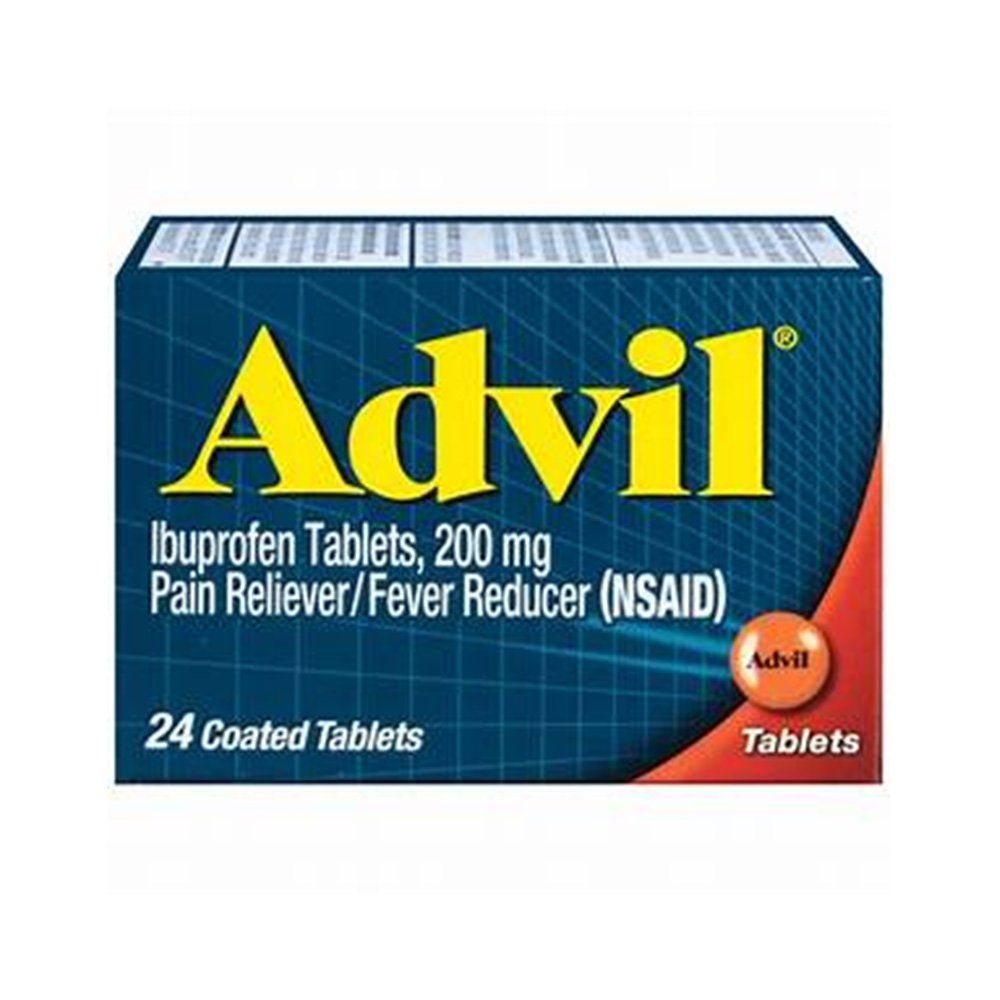
Advil Ibuprofen 200mg, 24 Capsules
- Best for: Adults looking for an ibuprofen NSAID option when medically appropriate
- Pack: 24 Capsules
- Price: Rs3,500

Panadol Advance, 96 Tablets
- Best for: Adults who prefer a paracetamol-based pain-relief option
- Pack: 96 Tablets
- Price: Rs2,480

TYLENOL Extra Strength 500mg, 24 Ct
- Best for: Adults looking for an acetaminophen/paracetamol option
- Pack: 24 Caplets
- Price: Rs3,900
Prices and stock may change. Always read the active ingredient, dose, warnings and directions on the exact pack before use. Do not combine products containing the same active ingredient unless specifically advised by a healthcare professional.
Ibuprofen vs Paracetamol for Period Pain
| Feature | Ibuprofen | Paracetamol / Acetaminophen |
|---|---|---|
| Drug Type | NSAID | Analgesic and fever reducer |
| Targets prostaglandins | Yes | Not in the same way as an NSAID |
| Commonly used for cramps | Yes, when appropriate | Yes |
| Stomach considerations | Can irritate the stomach and is unsuitable for some people | Different stomach-risk profile |
| Pregnancy | Requires more caution and medical guidance | Generally preferred when pain relief is needed |
Frequently Asked Questions About Pain in Women
How can I stop period pain quickly?
Heat, gentle movement and an appropriate over-the-counter pain reliever are among the most common first steps. NSAIDs such as ibuprofen can be particularly useful for menstrual cramps when they are safe for you because they reduce prostaglandin activity.
Why are my periods suddenly more painful?
A significant change in your usual period pain can sometimes indicate secondary dysmenorrhea. Endometriosis, adenomyosis, fibroids and ovarian conditions are among possible causes. Seek medical advice if the change persists.
Is severe period pain normal?
Mild to moderate cramps are common, but pain that repeatedly stops you from working, studying, sleeping or doing normal activities deserves medical attention.
Why does my lower back hurt during my period?
Uterine cramps can produce pain that radiates to the lower back and thighs. Back pain can also have separate musculoskeletal or pelvic causes.
Can I use a hot water bottle for period cramps?
Yes. Heat applied to the lower abdomen or back is a commonly recommended self-care option. Avoid temperatures hot enough to damage the skin.
Is ibuprofen good for period cramps?
Ibuprofen is commonly used for menstrual cramps because it reduces prostaglandins. It is not suitable for everyone, so read the product warnings and seek professional advice if you have medical conditions, use other medicines or may be pregnant.
Is Panadol good for period pain?
Panadol products containing paracetamol can provide temporary relief of mild to moderate pain. Different Panadol formulas can contain additional ingredients, so check the active ingredients on your particular pack.
Can Tylenol help menstrual cramps?
Tylenol contains acetaminophen, which is the same medicine commonly called paracetamol in Pakistan. It can provide temporary pain relief but does not reduce prostaglandins in the same way as NSAIDs.
Can magnesium stop period pain?
Some studies and clinical guidance suggest magnesium may help certain women, but it is not a guaranteed treatment and does not mean everyone with cramps is deficient in magnesium.
Can vitamin D deficiency cause body pain?
Significant vitamin D deficiency can affect bone and muscle health, but unexplained pain has many possible causes. Testing may be appropriate when deficiency is suspected rather than assuming vitamin D is the cause.
Why do I have pelvic pain when I am not on my period?
Pelvic pain outside menstruation can come from the reproductive organs, bladder, bowel, muscles or nerves. Endometriosis, ovarian cysts, PID, urinary problems and digestive conditions are among possible causes.
What causes one-sided pelvic pain?
Ovulation can cause short-lived one-sided discomfort around mid-cycle, but ovarian cysts, infections and ectopic pregnancy can produce similar pain. Severe or persistent one-sided pain should be assessed.
When should I worry about pelvic pain?
Seek medical attention for severe or worsening pain, persistent pain, abnormal bleeding, fever, abnormal discharge, pain during sex, urinary or bowel symptoms, or pain that repeatedly disrupts daily life.
What if I have pelvic pain and might be pregnant?
Contact a healthcare professional. Sudden severe pain, one-sided pain with bleeding, shoulder-tip pain, dizziness, weakness or fainting can indicate ectopic pregnancy and requires urgent care.
What is the best painkiller during pregnancy?
Acetaminophen/paracetamol is generally regarded as the preferred over-the-counter option when pain treatment is needed during pregnancy. NSAIDs such as ibuprofen have pregnancy-specific restrictions, so speak with your obstetric healthcare professional.
A Better Approach to Pain Relief for Women
The goal should not simply be to “get rid of pain” with the strongest tablet available. First identify the type and pattern of pain.
Ordinary menstrual cramps may respond well to heat, activity, sleep and an appropriate pain reliever. Persistent pelvic pain, increasingly painful periods, severe one-sided pain, heavy bleeding or pain associated with other symptoms may require investigation rather than repeated self-treatment.
You can compare currently available pain relievers in Pakistan for temporary relief of common aches and pains. If you are considering nutritional support, explore our magnesium, vitamin D and calcium collections only where those nutrients are relevant to your nutritional needs.
Medical Disclaimer: This guide provides general educational information and is not a diagnosis or individualized treatment plan. Severe, new, persistent or pregnancy-related pain should be evaluated by an appropriate healthcare professional.

