

Best Vitamins & Nutrients for Healthy, Glowing Skin

Healthy-looking skin is influenced by much more than creams and serums. Your diet supplies the protein, healthy fats, vitamins and minerals your skin needs to maintain its normal barrier, make collagen, repair tissue and protect cells from everyday oxidative stress.
That does not mean taking more supplements will automatically give you clearer or brighter skin. For most healthy adults, a varied diet should come first. Supplements are more useful when your diet does not provide enough of a nutrient, you have increased nutritional needs, or a deficiency has been identified.
Quick Answer: Some of the most important nutrients for healthy skin include vitamin C, vitamin A, vitamin E, vitamin D, B vitamins, zinc, selenium, protein and healthy fats. Vitamin C supports normal collagen formation, zinc contributes to normal tissue repair, while vitamins C and E provide antioxidant support. Protein provides amino acids needed to build skin structures, and essential fatty acids support the skin barrier. A balanced diet should be the foundation, while hair, skin and nail supplements can help fill specific nutritional gaps when appropriate.
What Nutrients Does Your Skin Need?
There is no single “best vitamin for skin.” Different nutrients perform different jobs, and healthy skin depends on getting enough of several of them.
| Nutrient | Role in Skin Health | Good Food Sources |
|---|---|---|
| Vitamin C | Normal collagen formation and antioxidant protection | Guava, kinnow, oranges, peppers, tomatoes |
| Vitamin A | Normal skin maintenance and cell development | Eggs, dairy, liver, carrots, spinach |
| Vitamin E | Antioxidant protection of cells | Almonds, sunflower seeds, vegetable oils |
| Vitamin D | Supports normal immune and cellular functions | Sunlight exposure, eggs, oily fish, fortified foods |
| B Vitamins | Support normal energy metabolism and maintenance of tissues | Eggs, meat, dairy, whole grains, legumes |
| Zinc | Protein synthesis, cell division and normal wound healing | Meat, chicken, chickpeas, seeds and dairy |
| Selenium | Helps protect cells from oxidative stress | Fish, eggs, meat, grains and nuts |
| Protein | Provides amino acids for collagen and other structural proteins | Eggs, chicken, fish, meat, dairy, daal and beans |
| Healthy Fats | Support cell membranes and the normal skin barrier | Fish, walnuts, flaxseed, chia seeds and vegetable oils |
Skin Nutrition Works as a System
Instead of searching for one miracle vitamin, think of skin health in layers. Nutrition supports the skin from within, while skincare and sun protection protect it from the outside.
Healthy Skin Support Chart
Best Vitamins and Nutrients for Healthy Skin
1. Vitamin C for Collagen Formation
Vitamin C is one of the most important dietary nutrients for skin because your body requires it to produce collagen. Collagen is a structural protein that helps give skin its strength and structure.
Vitamin C also acts as an antioxidant, helping protect cells against oxidative stress.
Good Pakistani food sources include:
- Guava
- Kinnow and oranges
- Lemons
- Strawberries
- Tomatoes
- Bell peppers
- Broccoli
A guava, for example, can be an easy way to add vitamin C to your everyday diet without immediately relying on a supplement.
2. Vitamin A for Normal Skin Maintenance
Vitamin A plays an important role in normal cell development and helps maintain normal skin and mucous membranes.
Vitamin A can be obtained directly from animal foods or from carotenoids in plant foods that the body can convert into vitamin A.
Useful sources include eggs, milk, yogurt, liver, carrots, pumpkin, sweet potatoes, spinach and other leafy vegetables.
More is not necessarily better. High amounts of preformed vitamin A from supplements can be harmful, particularly during pregnancy, so high-dose products should not be taken casually.
3. Vitamin E for Antioxidant Support
Vitamin E is a fat-soluble antioxidant that helps protect cells against oxidative stress. It works as part of the body's broader antioxidant defence system rather than acting as a standalone anti-aging treatment.
Food sources include almonds, sunflower seeds, peanuts, spinach and vegetable oils.
4. Vitamin D and Skin Health
Vitamin D is involved in many normal cellular and immune processes. Although vitamin D deficiency can affect general health, taking extra vitamin D does not automatically make skin clearer or more radiant if your vitamin D status is already adequate.
Adults who suspect deficiency should consider appropriate testing and professional guidance rather than guessing with very high doses.
5. B Vitamins and Biotin
Several B vitamins contribute to normal skin maintenance and energy metabolism. Biotin, or vitamin B7, has become particularly popular in beauty supplements.
Biotin occurs naturally in foods such as eggs, meat, fish, nuts and seeds. True biotin deficiency can affect the skin and hair, but deficiency is uncommon in otherwise healthy people eating a varied diet.
If you're comparing individual products, see our range of biotin supplements in Pakistan.
Important: High-dose biotin supplements can interfere with some laboratory blood tests. Tell your doctor or laboratory if you take a high-strength biotin product, especially before thyroid, hormone or certain cardiac tests.
6. Zinc for Normal Tissue Repair
Zinc is involved in protein synthesis, DNA synthesis, cell division and normal wound healing. It is therefore an important mineral for healthy skin, but this does not mean every breakout or skin concern is caused by low zinc.
Food sources include beef, chicken, dairy products, chickpeas, beans, pumpkin seeds and other seeds.
7. Selenium for Antioxidant Protection
Selenium contributes to the protection of cells from oxidative stress. Most people can obtain it through foods such as eggs, fish, chicken, meat, dairy products and grains.
Like other trace minerals, selenium is needed only in relatively small amounts, so high-dose supplementation should not be viewed as a shortcut to better skin.
8. Protein and Collagen
Protein is one of the most overlooked parts of skin nutrition. Your body needs amino acids from dietary protein to build and maintain structural proteins, including collagen.
Good sources include:
- Eggs
- Chicken
- Fish
- Meat
- Milk and yogurt
- Daal
- Beans and chickpeas
People interested specifically in supplemental collagen can explore our collagen supplements or read our complete guide to collagen supplements in Pakistan.
9. Healthy Fats and Omega-3
Fats are not something your skin should be deprived of. Essential fatty acids are components of cell membranes and contribute to normal skin-barrier function.
Useful sources include fatty fish, walnuts, chia seeds, flaxseed and suitable vegetable oils.
If your diet contains little oily fish, you can also compare nutritional options in our omega-3 supplements collection.
Best Foods for Healthy Skin in Pakistan
You do not need an expensive “beauty diet.” Many everyday foods available across Pakistan provide the nutrients your skin needs.
| Food | Key Nutrients | Easy Way to Eat It |
|---|---|---|
| Guava | Vitamin C | Whole fruit or fruit chaat |
| Eggs | Protein, vitamin A, B vitamins and biotin | Breakfast or with meals |
| Palak | Carotenoids, vitamin C, folate | Curry or mixed vegetables |
| Fish | Protein, B12 and healthy fats | Grilled, baked or curry |
| Daal and chana | Protein, zinc, folate and minerals | Daal, curry or chana chaat |
| Almonds | Vitamin E and healthy fats | Small snack or breakfast topping |
| Milk and yogurt | Protein, B12 and riboflavin | Breakfast, dahi or lassi |
| Tomatoes | Vitamin C and carotenoids | Salads, curries and sauces |
Can Vitamin Deficiencies Cause Skin Problems?
Yes, significant deficiencies can produce skin changes. The important point is that common skin concerns are not automatically proof of a vitamin deficiency.
| Nutrient | Possible Changes When Severely Inadequate | What to Do |
|---|---|---|
| Vitamin C | Poor wound healing, easy bruising and gum problems in severe deficiency | Improve intake and seek medical advice if symptoms are significant |
| Vitamin A | Dryness and changes in normal epithelial tissues | Do not self-treat with high-dose vitamin A |
| B Vitamins | Certain deficiencies may produce rashes or other skin changes | Look at overall diet and investigate persistent symptoms |
| Zinc | Impaired wound healing and skin changes in substantial deficiency | Avoid assuming acne alone proves low zinc |
Persistent rashes, severe acne, unusual pigmentation, slow-healing wounds or sudden changes in your skin should be evaluated appropriately rather than treated by experimenting with multiple supplements.
Can Vitamins Help With Acne?
Acne is more complicated than a simple vitamin deficiency. Hormones, genetics, oil production, clogged pores, inflammation, bacteria and skincare products can all play roles.
The previous version of this article placed too much emphasis on low vitamin A, vitamin D and zinc as causes of acne. These nutrients have biological roles in the skin, but having acne does not mean you are deficient in them.
Diet may influence acne in some people. A pattern built around vegetables, fruit, legumes, protein foods and less highly refined, rapidly digested carbohydrate may be worth considering as part of an overall healthy diet.
Moderate or severe acne, painful cysts or acne that is leaving scars should be discussed with a dermatologist rather than managed with supplements alone.
What About Hyperpigmentation and Uneven Skin Tone?
Dark spots and uneven pigmentation can develop for many reasons, including sun exposure, inflammation after acne, hormonal changes and certain skin conditions.
Deficiencies of nutrients such as vitamin B12 can occasionally cause pigmentation changes, but this is not the usual explanation for everyday dark spots.
The most important step for preventing sun-related darkening and helping prevent existing pigmentation from becoming more noticeable is good sun protection.
Can Vitamins Whiten Your Skin?
No vitamin should be presented as a way to bleach your natural skin colour. Adequate nutrition can support normal skin health and may help your complexion look healthier when a poor diet or nutrient deficiency is contributing to dullness, but supplements should not be expected to permanently change your natural skin tone.
This is why I would remove the old heading “Best Micronutrients for Skin Whitening” completely. “Healthy skin,” “glowing skin” and “even-looking skin tone” are more accurate descriptions of what good nutrition can support.
Best Nutrition for Dry Skin
Dry skin is often related to disruption of the skin barrier, weather, hot showers, harsh cleansers, low humidity or certain skin conditions rather than a single vitamin deficiency.
Nutritionally, make sure your diet provides enough protein and healthy fats. Foods such as fish, nuts, seeds, eggs, avocado and suitable vegetable oils can contribute useful fatty acids and other nutrients.
Drinking enough fluid is important for general hydration, but simply drinking excessive amounts of water does not replace a damaged skin barrier.
For everyday dry skin, a gentle cleanser and regular moisturizer—particularly after bathing—may have a more direct effect than taking random vitamin capsules.
Which Nutrients Are Important for Collagen?
Your body produces its own collagen. To do that effectively, it needs amino acids from dietary protein together with micronutrients involved in collagen synthesis, particularly vitamin C.
Collagen Support: What Your Body Needs
Provides amino acids
Required for collagen formation
Supplies supporting micronutrients
Helps limit UV-related skin damage
Do Collagen Supplements Actually Help Skin?
Collagen supplements are among the most popular beauty supplements. Several clinical trials and reviews have reported improvements in measurements such as skin hydration and elasticity after taking hydrolyzed collagen peptides.
However, the evidence is not perfect. Study size, formulation, duration and industry funding differ considerably, and more recent reviews have questioned how strong the effect remains when only higher-quality or independently funded studies are considered.
The fairest conclusion is that collagen supplements are promising rather than guaranteed. They may be worth considering for someone who specifically wants to try collagen, but they should not replace adequate protein, vitamin C, sun protection or a sensible skincare routine.
For a more detailed comparison, read our guide to the best collagen supplements in Pakistan.
Does Biotin Give You Glowing Skin?
Biotin supports normal nutrient metabolism and is commonly included in hair, skin and nail formulas. However, taking thousands of micrograms of biotin does not necessarily provide extra cosmetic benefits if you already consume enough.
Biotin supplements make more sense when there is a specific nutritional reason for using them rather than simply because a product has the highest number on the label.
Can Nutrition Prevent Wrinkles?
Nutrition supports healthy skin, but no food or vitamin can completely prevent normal skin aging.
Age, genetics, repeated sun exposure, smoking and environmental factors all contribute to changes in collagen, elasticity and pigmentation over time.
A diet containing enough protein, vegetables, fruit, healthy fats and micronutrients supports normal skin function, but one of the most useful things you can do for premature skin aging happens on the outside: protect your skin from excessive UV exposure.
Sun Protection Matters More Than Any “Beauty Vitamin”
Nutrition matters, but it should not distract from the effect of sunlight on the skin.
Regular UV exposure contributes to premature wrinkles, uneven pigmentation and other forms of photoaging. A practical daily routine should therefore include a broad-spectrum sunscreen with SPF 30 or higher on exposed skin when appropriate, alongside shade and protective clothing during stronger sun exposure.
People concerned about dark spots or uneven pigmentation should be especially consistent with sun protection, because UV and visible light can make pigmentation more noticeable.
A Simple Daily Routine for Healthy-Looking Skin
Inside + Outside Skin Routine
Eat a protein-containing breakfast where possible.
Use moisturizer if needed.
Apply appropriate sun protection before significant daytime exposure.
Include fruit and vegetables.
Drink according to your hydration needs.
Include protein and healthy fats across meals.
Cleanse gently.
Moisturize according to your skin type.
Prioritize adequate sleep and avoid smoking.
Food vs Skin Supplements: Which Should You Choose?
| Approach | Best Used For | Important Point |
|---|---|---|
| Balanced Diet | Everyday nutrition | Should form the foundation for most healthy adults |
| Individual Vitamin | A specific nutritional gap | Avoid unnecessary megadoses |
| Beauty Multinutrient | Convenient combination of several micronutrients | Check for duplication with other vitamins |
| Collagen | People specifically interested in collagen peptides | Evidence is promising but results are not guaranteed |
How to Choose a Skin, Hair and Nail Supplement
Beauty supplements vary considerably in both ingredients and doses. Before buying one, look beyond phrases such as “glowing skin” or “anti-aging” on the front of the bottle.
- Identify what you actually want: A collagen product and a multivitamin-style skin formula serve different purposes.
- Check the full ingredient label: More ingredients do not automatically make a formula better.
- Look for duplication: Avoid stacking multiple products that contain large amounts of the same vitamin or mineral.
- Check serving size: Some products require one tablet while collagen formulas may require several tablets or a measured powder serving.
- Be cautious with megadoses: High-strength vitamin A, selenium, zinc or other nutrients are not automatically better for skin.
- Consider biotin before blood tests: Tell your healthcare provider about high-dose biotin supplementation.
- Check dietary requirements: Verify gelatin source, allergens, vegetarian status or halal certification from current packaging where these matter to you.
Skin, Hair & Nail Supplements Available in Pakistan
The following products illustrate three different approaches: collagen-focused supplementation, a broad beauty micronutrient formula and a more affordable combination formula. They are options to compare rather than treatments for acne, pigmentation or other skin diseases.
| Product | Best For | Pack | Current Price |
|---|---|---|---|
| NeoCell Super Collagen + Vitamin C & Biotin | Collagen-focused beauty support | 180 Tablets | Rs8,999 |
| Vitabiotics Perfectil Original | Broad skin, hair & nail micronutrient support | 30 Tablets | Rs5,499 |
| Nutrifactor Butex Skin, Hair & Nails | Affordable multi-nutrient beauty formula | 60 Tablets | Rs1,990 |
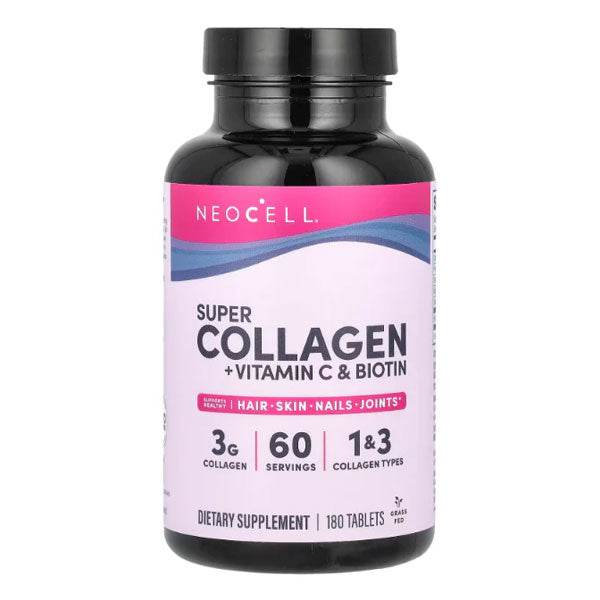
NeoCell Super Collagen + Vitamin C & Biotin, 180 Ct
- Best for: Collagen-focused skin, hair and nail support
- Pack: 180 Tablets
- Price: Rs8,999

Vitabiotics Perfectil Original, 30 Tablets
- Best for: Daily multi-nutrient skin, hair and nail support
- Pack: 30 Tablets
- Price: Rs5,499

Nutrifactor Butex Skin, Hair & Nails, 60 Ct
- Best for: Affordable multi-nutrient beauty support
- Pack: 60 Tablets
- Price: Rs1,990
Prices and stock can change. Check each product page for the latest price, pack information and availability.
When Should You See a Dermatologist?
Nutrition can support normal skin health, but supplements are not replacements for medical treatment. Consider professional evaluation if you have:
- Persistent or severe acne
- Painful acne cysts or scarring
- A rash that does not improve
- Sudden or unexplained pigmentation changes
- Skin that is severely dry, cracked or inflamed
- A wound that is not healing normally
- A changing mole or unusual skin lesion
Frequently Asked Questions About Vitamins for Skin
Which vitamin is best for glowing skin?
No single vitamin creates glowing skin by itself. Vitamin C is particularly important because it is required for normal collagen formation and also provides antioxidant protection, while vitamins A and E, B vitamins, zinc, protein and healthy fats support other aspects of normal skin function.
Which vitamins are good for skin?
Important vitamins for skin include vitamins A, C, D and E together with several B vitamins. Minerals such as zinc and selenium, plus adequate protein and essential fatty acids, are also important.
Does vitamin C improve skin?
Vitamin C is required for collagen synthesis and acts as an antioxidant. Meeting your vitamin C requirement therefore supports normal skin structure and function. Taking extremely high oral doses does not necessarily provide extra cosmetic benefits if your intake is already adequate.
What foods make skin healthy and glowing?
A varied diet containing fruits, vegetables, protein foods, whole grains, nuts, seeds and healthy fats gives your skin a broad range of nutrients. Useful everyday foods in Pakistan include guava, citrus fruits, eggs, fish, chicken, daal, chickpeas, spinach, tomatoes, yogurt, nuts and seeds.
Do collagen supplements work for skin?
Some clinical trials and reviews report improvements in skin hydration and elasticity with hydrolyzed collagen, while other recent analyses have questioned how strong the evidence is when study quality and funding are considered. Collagen supplements may be useful for some people, but results are not guaranteed.
Is biotin good for skin?
Biotin is an essential B vitamin involved in normal metabolism and is found naturally in many foods. Correcting biotin deficiency is important, but taking very high amounts has not been proven to give everyone better skin. High-dose biotin can also interfere with certain laboratory tests.
Can vitamins remove dark spots?
Dark spots can have many causes. Nutrition supports normal skin health, but an oral vitamin should not be expected to remove established hyperpigmentation by itself. Consistent sun protection and appropriate skincare or dermatological treatment may be more relevant depending on the cause.
Which vitamin is good for skin whitening?
No vitamin should be used with the expectation that it will bleach or permanently change your natural skin colour. Good nutrition may help skin look healthier when nutritional inadequacy contributes to dullness, but healthy and even-looking skin is a more realistic goal than “whitening.”
Do I need supplements for healthy skin?
Not necessarily. Most healthy adults should aim to obtain their nutrients through a balanced diet. Supplements are more useful when your diet leaves a nutritional gap, your requirements are increased, or professional advice identifies a particular need.
Are hair, skin and nail vitamins safe to take every day?
Many are designed for daily use when taken according to the label, but formulas can contain high amounts of biotin, vitamin A, zinc, selenium or other nutrients. Check for duplication if you already take a multivitamin or another supplement.
Healthy Skin Starts With the Basics
The best approach to skin nutrition is not to collect as many “beauty vitamins” as possible. Eat enough protein, include fruits and vegetables, consume healthy fats, stay adequately hydrated and make sun protection and suitable skincare part of your routine.
If you want additional nutritional support, choose supplements according to what they actually contain rather than promises on the front of the bottle. Explore our complete range of hair, skin and nail vitamins in Pakistan, collagen supplements and biotin supplements to compare formulas, ingredients and pack sizes.
Always follow the manufacturer's directions and seek qualified medical advice if you have persistent skin problems, are pregnant, take regular medication or are considering high-dose supplementation.

