

Fish Oil Benefits: Heart, Brain, Joints & Omega-3 Guide

Quick Answer: Fish oil is a source of the omega-3 fatty acids EPA and DHA. The clearest established benefit is helping lower triglyceride levels, while DHA is also an important structural component of the brain and eyes. Omega-3s may also have roles in pregnancy and inflammatory health, but fish oil should not be treated as a proven cure for high cholesterol, memory loss, hair fall, low testosterone or other medical conditions. If you buy a supplement, compare the EPA + DHA per serving rather than looking only at the total “1000mg fish oil” printed on the bottle.
Fish oil has become one of the most popular nutritional supplements, but its benefits are often exaggerated.
You may have heard that fish oil improves your heart, makes you smarter, fixes joint pain, boosts testosterone, improves fertility and even prevents Alzheimer's disease. The reality is more nuanced.
Fish oil provides two important long-chain omega-3 fatty acids called EPA (eicosapentaenoic acid) and DHA (docosahexaenoic acid). These fatty acids perform important functions in the body, but the scientific evidence is much stronger for some benefits than others.
This guide explains the benefits of fish oil, what EPA and DHA actually do, natural omega-3 sources, possible side effects and how to compare fish oil supplements in Pakistan without being misled by the biggest number printed on the bottle.
What Is Fish Oil?
Fish oil is obtained from the tissues of oily fish and is valued mainly because it provides the long-chain omega-3 fatty acids EPA and DHA.
Omega-3 is actually a family of fatty acids rather than one single nutrient. The three forms you will hear about most often are ALA, EPA and DHA.
| Omega-3 | Full Name | Common Sources |
|---|---|---|
| EPA | Eicosapentaenoic Acid | Fatty fish, seafood and marine oils |
| DHA | Docosahexaenoic Acid | Fatty fish, seafood and algae |
| ALA | Alpha-Linolenic Acid | Chia seeds, flaxseed and walnuts |
This distinction is important because the old advice that chia seeds and walnuts are “natural sources of fish oil” is not technically correct. They provide ALA omega-3, not fish-derived EPA and DHA.
Your body can convert some ALA into EPA and then DHA, but this conversion is limited. Fish, seafood, fish oil and certain algal supplements provide EPA and DHA more directly.
What Are the Main Fish Oil Benefits?
Fish oil has been researched for cardiovascular health, triglycerides, brain function, pregnancy, inflammatory conditions, joints and several other areas.
But not every popular claim has the same level of evidence.
| Potential Benefit | What You Should Know |
|---|---|
| Triglycerides | One of the best-established effects of EPA and DHA, particularly at prescription doses used medically. |
| Heart Health | Eating fish is associated with cardiovascular benefits, but ordinary fish oil supplements are not a replacement for heart medicines or a healthy diet. |
| Brain & Eyes | DHA is an important structural fatty acid in the brain and retina, but supplements have not been proven to prevent dementia. |
| Inflammatory Health | EPA and DHA influence inflammatory pathways and have been studied particularly in conditions such as rheumatoid arthritis. |
| Pregnancy | Omega-3 intake during pregnancy has been studied for maternal and infant outcomes, including preterm birth. |
| Hair, Skin & Fertility | Research exists, but the evidence is not strong enough to promise that fish oil will treat hair loss, acne, infertility or low testosterone. |
1. Fish Oil Benefits for Heart Health
The connection between omega-3 and cardiovascular health is one of the biggest reasons people take fish oil.
But it is important to separate eating fish, taking an ordinary dietary supplement and using prescription omega-3 medication. These are not the same thing.
Regular consumption of fish and seafood is associated with cardiovascular benefits as part of a healthy dietary pattern. The American Heart Association recommends eating two servings of fish per week, particularly fatty fish.
Fish oil supplements provide EPA and DHA when dietary fish intake is low, but they should not be presented as a substitute for a heart-healthy diet, exercise, blood pressure management, cholesterol medication or other treatment prescribed by your doctor.
Fish Oil and Triglycerides
Lowering triglycerides is one of the clearest established effects of omega-3 fatty acids.
Prescription-strength omega-3 products can be used medically for people with high triglyceride levels. Research reviewed by the American Heart Association has found that prescription omega-3 fatty acids at around 4 grams per day can reduce triglycerides substantially in people with elevated levels.
That does not mean you should try to recreate a prescription dose by swallowing several ordinary fish oil capsules.
High triglycerides should be properly assessed because diet, weight, diabetes, alcohol intake, medications, genetics and other factors can contribute. If your triglycerides are high, discuss treatment with your doctor rather than relying on an over-the-counter fish oil supplement alone.
Does Fish Oil Lower Cholesterol?
This is where the original version of this article was misleading.
Fish oil should not simply be described as something that “lowers cholesterol.” Its most consistent lipid effect is on triglycerides.
Different omega-3 formulations can affect LDL and HDL cholesterol differently, and the overall cardiovascular picture is more complicated than labelling cholesterol as simply “good” or “bad.”
If you have high LDL cholesterol, fish oil should not replace treatment recommended by your healthcare professional.
2. Fish Oil Benefits for the Brain
DHA is an important structural component of brain tissue and has an important role in normal neurological development.
That makes it tempting to assume that taking more DHA will automatically improve memory, concentration or intelligence.
Unfortunately, nutrition rarely works that simply.
Getting sufficient omega-3 as part of a balanced diet is important, but studies of omega-3 supplements for preventing cognitive decline or dementia have produced mixed results. Fish oil should therefore not be advertised as something that can prevent Alzheimer's or Parkinson's disease.
For healthy brain function, the broader picture still matters: adequate sleep, physical activity, blood pressure control, a balanced diet, social activity and management of conditions such as diabetes all contribute to long-term cognitive health.
If you want to understand EPA and DHA separately, compare their amounts rather than relying only on the term “omega-3” on the front of a supplement.
3. Fish Oil and Inflammation
EPA and DHA can influence compounds and pathways involved in the body's inflammatory response.
This is one reason omega-3 fatty acids have been researched in inflammatory conditions.
Some evidence suggests marine omega-3 supplementation may help with symptoms in conditions such as rheumatoid arthritis, although it is not a replacement for medical treatment.
What fish oil should not be described as is a general treatment for any swollen or injured part of the body. If you have persistent swelling, significant joint pain or an injury, you need to identify the cause rather than expecting a supplement to treat it.
4. Fish Oil Benefits for Joints
Fish oil is frequently marketed as a joint supplement because of the relationship between omega-3 fatty acids and inflammatory pathways.
For someone with an inflammatory joint condition, omega-3 intake may form part of a broader nutrition strategy. Evidence is particularly relevant to rheumatoid arthritis rather than every type of joint discomfort.
Joint pain caused by osteoarthritis, sports injuries, vitamin D deficiency, gout, mechanical problems or other conditions can require completely different approaches.
So if your main reason for considering fish oil is recurring joint pain, determine the cause first instead of treating all joint problems as inflammation.
5. Fish Oil Benefits During Pregnancy
Omega-3 fatty acids receive particular attention during pregnancy because DHA is involved in development of the brain and eyes.
Food remains important here. Guidance commonly recommends that pregnant and breastfeeding women consume appropriate amounts of seafood that is rich in EPA and DHA while choosing lower-mercury species.
Research has also examined long-chain omega-3 supplementation during pregnancy. A large Cochrane review found evidence that increasing omega-3 intake during pregnancy may reduce the risk of preterm and very preterm birth.
However, that does not mean every pregnant woman should independently start a high-dose fish oil product. Supplements differ in EPA, DHA, vitamin content and source, and some marine products such as cod liver oil can contain vitamin A.
If you are pregnant, breastfeeding or planning pregnancy, discuss omega-3 supplementation with your obstetrician or healthcare professional and consider how much EPA and DHA you already receive from food and your prenatal supplement.
6. Fish Oil Benefits for Men
Fish oil can provide men with EPA and DHA just as it does for women. Its potential cardiovascular and triglyceride-related benefits do not suddenly change because of sex.
However, the original article claimed that fish oil could boost testosterone, improve prostate health and improve sperm quality. Those claims are too strong based on current evidence.
Omega-3 fatty acids have been studied in relation to male reproductive health, but research does not justify advertising ordinary fish oil supplements as a proven testosterone booster or fertility treatment.
If low testosterone, fertility or sexual health is your concern, hormone testing, semen analysis and professional medical evaluation provide much more useful information than simply adding fish oil.
7. Fish Oil Benefits for Women
Women receive the same fundamental EPA and DHA omega-3 fatty acids from fish oil, with research focusing particularly on cardiovascular health, pregnancy and inflammatory processes.
The evidence does not support presenting fish oil as a guaranteed treatment for menstrual symptoms, postpartum depression, hair fall or fertility.
During pregnancy, omega-3 deserves more specific consideration because fetal development and maternal dietary intake become relevant. Outside pregnancy, the decision to supplement should still depend on diet, the amount of fish you eat and your individual nutritional needs.
8. Fish Oil Benefits for Skin and Hair
Omega-3 fatty acids contribute to normal cell membranes and have biological effects relevant to skin function and inflammation.
Researchers have therefore studied omega-3 intake in relation to skin hydration, inflammatory skin conditions and other dermatological outcomes.
But this is another area where marketing often moves faster than the evidence.
Fish oil should not be promoted as a proven treatment for acne, eczema or hair loss. If your hair is thinning, potential causes can include iron deficiency, thyroid problems, hormonal changes, stress, illness, genetics and inadequate nutrition.
Likewise, persistent acne or eczema should be managed according to the underlying condition rather than relying on one supplement.
Natural Sources of Omega-3
You do not necessarily need a capsule to obtain omega-3 fatty acids.
Fatty fish and seafood are the main dietary sources of EPA and DHA. Salmon, sardines, trout, herring and mackerel are commonly recognised sources.
Plant foods such as chia seeds, flaxseed and walnuts are also useful omega-3 foods, but they mainly provide ALA rather than EPA and DHA.
| Food | Main Omega-3 Type | What to Know |
|---|---|---|
| Salmon | EPA + DHA | One of the best-known oily fish sources. |
| Sardines | EPA + DHA | Provides marine omega-3 along with protein and other nutrients. |
| Trout | EPA + DHA | Another useful fatty-fish option. |
| Chia Seeds | ALA | Plant-based omega-3 source, but not a direct fish-oil replacement. |
| Flaxseed | ALA | A useful plant source of essential ALA. |
| Walnuts (Akhrot) | ALA | Provides plant omega-3 along with other nutrients. |
If you regularly eat oily fish, you may already be obtaining meaningful amounts of EPA and DHA from food.
If fish intake is low, fish oil capsules provide another way to obtain EPA and DHA.
Fish Oil Supplements in Pakistan to Compare
If you decide to use a supplement, don't compare products by bottle size or total fish oil alone.
The number that matters most for comparison is usually the amount of EPA and DHA.
For example, two products can both contain 1000mg fish oil while one provides 300mg EPA+DHA and another provides 600mg. This is why our separate guide to the best Omega 3 capsules in Pakistan compares products using EPA, DHA, pack size and concentration rather than the front-label number alone.

GNC Triple Strength Fish Oil, 60 Ct
- Best for: High-potency EPA and DHA
- Strength: 1000mg EPA + DHA per Softgel
- Pack: 60 Softgels
GNC Triple Strength Fish Oil is useful for shoppers specifically comparing concentrated omega-3 formulas. The current formula provides 734mg EPA and 266mg DHA per softgel, giving a combined 1000mg EPA+DHA.
That makes it substantially more concentrated than many standard 1000mg fish oil products. Remember, however, that a higher concentration is not automatically necessary for every person.
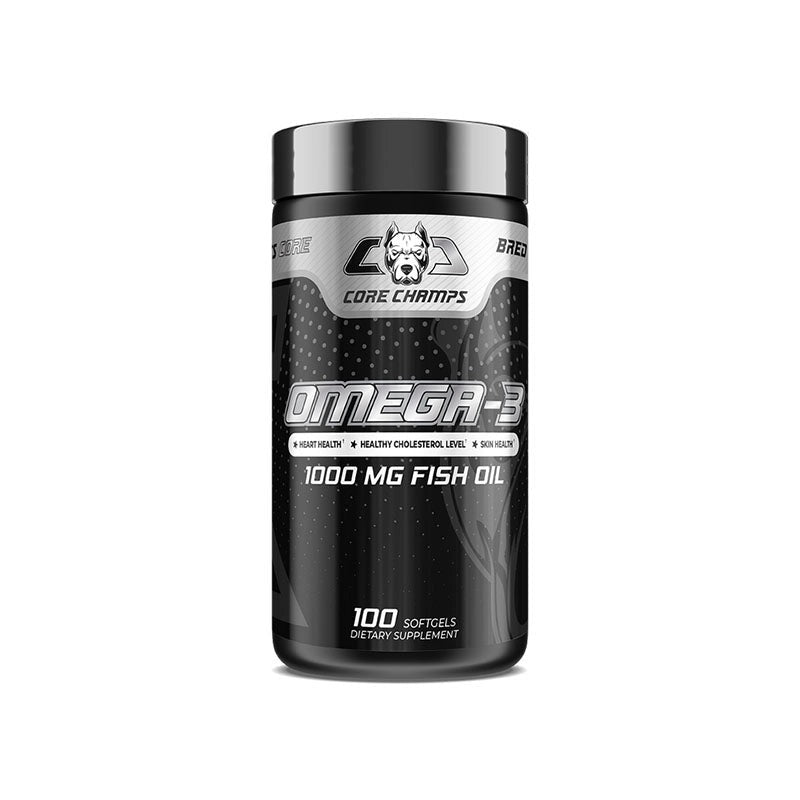
Core Champs Omega 3 Fish Oil, 100 Ct
- Best for: Concentrated EPA + DHA and value
- Strength: 360mg EPA + 240mg DHA
- Pack: 100 Softgels
Core Champs Omega 3 Fish Oil provides 1000mg fish oil per softgel, including 360mg EPA and 240mg DHA. That works out to 600mg combined EPA+DHA per softgel.
This is a useful example of why two bottles labelled “1000mg Fish Oil” can be very different in actual omega-3 concentration.

Nutrifactor Normega Fish Oil 1000mg, 30 Ct
- Best for: Affordable Pakistani fish oil option
- Strength: 1000mg Fish Oil
- Pack: 30 Softgels
Nutrifactor Normega Fish Oil 1000mg offers a lower-cost local option for shoppers in Pakistan. Its current Vitamins House product page lists 1000mg fish oil per softgel.
The current listing does not clearly state the individual EPA and DHA amounts, so check the physical Supplement Facts label when comparing it with concentrated omega-3 products.
How Much Fish Oil Should You Take?
There is no single fish oil dose that is appropriate for every healthy adult.
Part of the confusion comes from the difference between fish oil amount and EPA+DHA amount.
A 1000mg fish oil capsule does not necessarily provide 1000mg omega-3. It may provide 300mg EPA+DHA, 600mg or a completely different amount depending on the formula.
Rather than repeating the full dosage discussion here, read our detailed Fish Oil Dosage: How Much EPA and DHA Should You Take? guide. It explains serving sizes, EPA+DHA concentration, prescription doses and common dosage mistakes.
When Is the Best Time to Take Fish Oil?
There is no established universal best hour of the day for taking fish oil.
For most people, following the directions on the specific product and choosing a routine they can follow consistently is more useful than worrying about morning versus night.
Many fish oil products are taken with food, and consuming omega-3 with a meal can also help some people tolerate the supplement better.
For a complete explanation, see our guide to the best time to take fish oil.
Fish Oil Side Effects
Fish oil supplements are generally well tolerated when used appropriately, but they can still cause unwanted effects.
Common issues include fishy aftertaste, burping, bad breath, heartburn, nausea, stomach discomfort and diarrhea.
Taking the supplement according to the manufacturer's instructions, including with food when recommended, may help with some digestive problems.
Higher-dose omega-3 deserves more caution. People taking anticoagulant or antiplatelet medication, those with bleeding disorders, people with certain heart rhythm problems, anyone preparing for a medical procedure, and pregnant or breastfeeding women should discuss supplementation with a healthcare professional.
People with fish or seafood allergies should also carefully review the source and ingredients of any fish oil product.
How to Choose a Fish Oil Supplement
The smartest way to compare fish oil is to ignore phrases such as “maximum strength” for a moment and read the Supplement Facts panel.
Start with EPA and DHA per serving. Then check how many softgels make up that serving, the total number of softgels in the bottle, additional ingredients and the manufacturer's directions.
For example, “1000mg Fish Oil” alone tells you very little about concentration. One product may provide 300mg EPA+DHA while another provides twice that amount from the same total quantity of fish oil.
Also check the seal, expiry date, batch information and storage instructions. This matters particularly with imported supplements and during hot weather in Pakistan because oils should be stored according to the manufacturer's recommendations.
Is Eating Fish Better Than Taking Fish Oil?
For most healthy people, fish should not automatically be replaced with a supplement.
Fish provides protein, vitamins, minerals and other nutrients in addition to EPA and DHA. That is one reason dietary recommendations typically focus first on seafood consumption rather than telling everyone to take fish oil capsules.
A supplement becomes more useful when you eat little or no fish, want a predictable source of EPA and DHA, or have been advised to supplement for a particular nutritional or medical reason.
If you follow a vegetarian or vegan diet and want DHA without fish, algal omega-3 supplements can provide a fish-free alternative.
Frequently Asked Questions About Fish Oil
What Are the Main Benefits of Fish Oil?
Fish oil provides EPA and DHA omega-3 fatty acids. Its clearest established effect is reducing triglycerides, particularly when appropriate doses are used medically. DHA is also an important structural component of the brain and retina, while EPA and DHA participate in processes related to cardiovascular and inflammatory health.
Does Fish Oil Lower Cholesterol?
Fish oil should not simply be described as a cholesterol-lowering supplement. Its strongest consistent lipid effect is on triglycerides. If you have high LDL cholesterol or another lipid disorder, follow the treatment recommended by your healthcare professional.
Is Fish Oil Good for the Brain?
DHA is an important fatty acid in brain tissue and is necessary for normal neurological development. However, taking fish oil has not been proven to prevent Alzheimer's disease, Parkinson's disease or dementia, and research on supplementation for cognitive improvement is mixed.
Is Fish Oil Good for Joints?
EPA and DHA influence inflammatory pathways, and omega-3 supplements have been studied particularly in rheumatoid arthritis. Fish oil is not a universal treatment for every type of joint pain, so persistent pain or swelling should be properly evaluated.
Can Fish Oil Help With Hair Growth?
There is not enough evidence to promise that fish oil will prevent hair fall or regrow hair. Hair loss can result from many causes, including iron deficiency, thyroid problems, hormonal changes, stress and genetics. Identifying the cause is more useful than relying on fish oil alone.
Does Fish Oil Increase Testosterone?
Fish oil should not be marketed as a proven testosterone booster. Omega-3 fatty acids have been researched in several areas of male health, but the available evidence does not establish ordinary fish oil supplementation as a reliable treatment for low testosterone.
Can Pregnant Women Take Fish Oil?
Omega-3 intake is important during pregnancy, and long-chain omega-3 fatty acids have been studied for outcomes including preterm birth. Pregnant women should choose seafood carefully and discuss supplements with their obstetrician, particularly because omega-3 products vary widely in composition.
Is 1000mg Fish Oil the Same as 1000mg Omega-3?
No. This is one of the most common misunderstandings when buying fish oil. A capsule containing 1000mg of total fish oil may provide only a fraction of that amount as EPA and DHA. Always check the Supplement Facts panel for the actual EPA and DHA content.
Conclusion
The real benefits of fish oil are easier to understand when you separate solid evidence from marketing.
Fish oil is primarily useful because it provides the long-chain omega-3 fatty acids EPA and DHA. These fatty acids have established biological roles, and one of their clearest measurable effects is helping reduce triglyceride levels. DHA is also important in brain and retinal tissue, while omega-3 intake has been researched in pregnancy and inflammatory health.
But fish oil is not a cure-all.
It should not be promised as a treatment for high cholesterol, Alzheimer's disease, Parkinson's disease, testosterone deficiency, infertility, acne or hair loss.
If you decide to use a supplement, don't choose one simply because the bottle says 1000mg, 1200mg or triple strength. Compare the EPA + DHA per serving, serving size, pack size and product directions.
You can compare currently available fish oil supplements in Pakistan at Vitamins House, or read our best Omega 3 capsules in Pakistan guide if you want a detailed product-by-product comparison.
>
