

Do Collagen Supplements in Pakistan Work? Benefits, Types & Options

Quick Answer: Collagen supplements may provide modest benefits for skin hydration and elasticity, and some research suggests they may also support joint comfort in certain people. However, results are gradual and vary by product, collagen type, dose and individual. Evidence is much weaker for claims about hair growth, stronger nails or gut health. If you want to try collagen, look for the collagen source, type, amount per serving and whether it is hydrolyzed into peptides rather than choosing a product only because it says “anti-aging” on the label.
Collagen is everywhere right now.
Powders promise younger-looking skin. Tablets are marketed for stronger hair and nails. Marine collagen is promoted as premium, while some products promise support for joints, bones and even digestion.
But do collagen supplements actually work?
The answer is more interesting than a simple yes or no.
Collagen is an important structural protein in your body, and research on oral collagen peptides is promising in some areas. Studies have reported improvements in measurements such as skin hydration and elasticity, while collagen-based supplements have also been investigated for joint discomfort and osteoarthritis.
At the same time, many marketing claims go much further than the available evidence.
This guide explains what collagen does, what science currently tells us, the differences between collagen types and sources, and what you should look for when comparing collagen supplements in Pakistan.
What Is Collagen?
Collagen is the most abundant protein in the human body and forms an important part of your skin, bones, cartilage, tendons, ligaments and other connective tissues.
Think of it as part of your body's structural framework.
Your body makes collagen using amino acids obtained from dietary protein. Nutrients such as vitamin C are also required during normal collagen synthesis.
Collagen production and structure can be affected by aging and lifestyle factors. Excessive sun exposure, smoking and other environmental factors can contribute to collagen degradation, particularly in the skin.
This is one reason collagen supplements have become so closely associated with healthy aging and beauty.
But swallowing collagen does not mean whole collagen molecules simply travel directly from your stomach into your skin.
Collagen supplements are digested into smaller peptides and amino acids, which your body can absorb and use in different ways.
Do Collagen Supplements Really Work?
This is probably the most important question in this entire guide.
Some research suggests that certain collagen supplements can provide benefits, but they are not magic.
One meta-analysis of randomized controlled trials found that hydrolyzed collagen supplementation was associated with improvements in skin hydration and elasticity compared with placebo.
Research on joints is also encouraging. A recent systematic review and meta-analysis examining collagen supplementation in people with knee osteoarthritis found improvements in pain and physical function.
That sounds impressive.
But there is an important limitation.
Collagen studies use different sources, doses, peptide formulations and additional ingredients. Some studies are also funded by companies involved in collagen products.
So we shouldn't interpret every positive study as proof that every collagen powder or tablet on the market will produce the same result.
The best way to think about collagen is this:
It is a potentially useful nutritional supplement with promising evidence in specific areas—not a shortcut to reversing aging.
Collagen Benefits: What Does the Evidence Actually Support?
You'll see dozens of claimed collagen benefits online.
Some have reasonable scientific support.
Others are mostly marketing.
| Claim | What You Should Know |
|---|---|
| Skin Hydration | Some randomized trials and meta-analyses have reported improvements with hydrolyzed collagen. |
| Skin Elasticity | Promising evidence exists, although results vary between products and studies. |
| Joint Comfort | Collagen has been studied particularly in people with osteoarthritis, with some positive results for pain and function. |
| Bone Health | Research is developing, but collagen should not replace calcium, vitamin D, exercise or medical osteoporosis treatment. |
| Nail Strength | Evidence is limited and considerably weaker than the evidence for skin. |
| Hair Growth | There is not enough strong human evidence to claim collagen is a proven hair-growth treatment. |
| Gut Health | Popular online claim, but strong clinical evidence for treating or “healing” the gut is lacking. |
1. Collagen Benefits for Skin
Skin health is probably the most researched—and most heavily marketed—reason people take collagen.
Your skin naturally contains collagen that contributes to its structure and mechanical strength.
As collagen structure changes with age and environmental exposure, skin can gradually lose some of its firmness and elasticity.
This explains why oral collagen peptides have been studied for skin aging.
A systematic review and meta-analysis involving randomized controlled trials found improvements in skin hydration and elasticity among participants receiving hydrolyzed collagen compared with placebo.
Other reviews have also found potentially positive effects on wrinkles and skin texture.
But there is a catch.
Many studies use specific branded collagen peptides. Some supplements also contain vitamin C, hyaluronic acid, antioxidants, biotin or other ingredients, making it difficult to know whether every benefit comes from collagen alone.
So if your goal is healthier-looking skin, collagen may be worth considering—but don't forget the basics.
Sun protection, adequate nutrition, avoiding smoking and using evidence-based skincare are still extremely important.
Does Collagen Make Skin Look Younger?
Collagen supplements may modestly improve measurements such as hydration, elasticity or wrinkle appearance in some studies.
That doesn't mean they literally reverse skin aging.
Think of collagen as one possible addition to your skincare and nutrition routine rather than a replacement for everything else.
2. Collagen Benefits for Joints
Collagen isn't only found in your skin.
It is also an important component of cartilage, tendons and other connective tissues around your joints.
This is why collagen supplementation has attracted interest among people with joint discomfort and osteoarthritis.
A recent meta-analysis of randomized controlled trials involving people with knee osteoarthritis found that oral collagen-based supplements were associated with improvements in pain and physical function.
Another review of collagen derivatives for osteoarthritis also reported potentially beneficial outcomes.
That does not mean collagen can rebuild every damaged joint or replace treatment for arthritis.
Joint pain can have many different causes, including osteoarthritis, inflammatory arthritis, gout, injuries and mechanical problems.
If you have persistent pain, swelling or limited movement, determining the underlying cause is more important than simply adding another supplement.
You can also explore our joint and bone support supplements if you're comparing nutritional options for this area.
3. Collagen and Bone Health
People often think of calcium when they think about bones.
But bone isn't made entirely from minerals.
Collagen forms part of the organic framework of bone tissue, while minerals such as calcium contribute hardness and strength.
Researchers have therefore investigated collagen peptides in relation to bone metabolism and bone mineral density.
There is some promising research, but collagen shouldn't be positioned as a substitute for the fundamentals of bone health.
Those include adequate protein, calcium and vitamin D intake, weight-bearing exercise and appropriate medical treatment for conditions such as osteoporosis.
If your primary concern is weak bones or low bone density, speak with a healthcare professional rather than relying on collagen alone.
4. Does Collagen Help Hair Growth?
This is where collagen marketing often gets ahead of the evidence.
You will frequently see collagen described as a supplement for thicker, stronger and faster-growing hair.
But strong human evidence for collagen as a hair-growth supplement is limited.
Your hair is primarily made of a protein called keratin rather than collagen.
Your body does use amino acids from dietary protein to produce many different proteins, so maintaining adequate protein intake matters. But this is very different from proving that collagen supplements specifically make hair grow.
If you're dealing with significant hair fall, possible causes include iron deficiency, thyroid conditions, hormonal changes, illness, stress, genetics and nutritional deficiencies.
Collagen should therefore not replace proper evaluation of persistent hair loss.
5. Does Collagen Strengthen Nails?
Collagen supplements are also frequently marketed for brittle nails.
There is some preliminary research suggesting potential improvements in nail growth or brittleness, but the evidence base is small compared with research on skin.
This means it is reasonable to describe nail support as a potential benefit, but not as a guaranteed result.
Brittle nails can also be influenced by repeated water exposure, nail products, nutritional status, skin conditions and other health factors.
6. Does Collagen Improve Gut Health?
“Gut healing” has become one of the most common claims attached to collagen powders.
Unfortunately, this claim is much stronger online than it is in clinical research.
Collagen provides protein and amino acids, and these nutrients certainly have physiological functions throughout the body.
But there currently isn't strong enough evidence to tell consumers that taking collagen will repair a “leaky gut,” cure digestive conditions or rebuild the intestinal lining.
If you have persistent bloating, abdominal pain, diarrhea, constipation or another gastrointestinal problem, investigate the cause rather than treating collagen powder as a digestive therapy.
What Are the Different Types of Collagen?
There are numerous types of collagen in the human body, but Types I, II and III are the ones you'll encounter most often when shopping for supplements.
| Collagen Type | Where It Is Commonly Found | Common Supplement Focus |
|---|---|---|
| Type I | Skin, bones, tendons and connective tissues | Skin and general connective-tissue support |
| Type II | Cartilage | Joint-focused formulas |
| Type III | Skin, muscles and other connective tissues | Often combined with Type I |
Knowing the type helps, but don't choose a supplement based on collagen type alone.
The source, formulation, amount per serving and whether the collagen is hydrolyzed also matter.
Hydrolyzed Collagen vs Collagen Peptides: Is There a Difference?
You'll frequently see the words hydrolyzed collagen and collagen peptides on supplement labels.
They generally refer to collagen that has been broken into smaller peptide chains through a process called hydrolysis.
This makes it easier to dissolve and digest than intact collagen.
Your digestive system still processes these peptides after consumption, so “hydrolyzed” doesn't mean the collagen bypasses digestion and travels directly to your skin or joints.
Most of the oral collagen research you see discussed in relation to skin uses hydrolyzed collagen or specific bioactive collagen peptides.
Bovine vs Marine Collagen: Which Is Better?
Another big choice is the source.
Most collagen supplements sold in Pakistan come from bovine, marine or chicken sources.
Bovine Collagen
Bovine collagen comes from cattle and commonly provides Types I and III collagen.
It is widely used in powders and tablets intended for general skin and connective-tissue support.
Marine Collagen
Marine collagen usually comes from fish and typically contains predominantly Type I collagen.
It is popular in beauty-focused collagen products.
You will often see claims that marine collagen is universally “more absorbable” or “better” than bovine collagen. Current evidence does not justify assuming that every marine collagen product is automatically superior.
The actual peptide formulation, dose and supporting research are more useful than the word “marine” alone.
Chicken Collagen
Chicken-derived collagen is commonly associated with Type II collagen and appears in some joint-focused supplements.
This is different from the hydrolyzed Type I and III collagen commonly found in beauty powders.
What About Vegan Collagen?
Traditional collagen itself comes from animal tissue.
Products marketed as vegan collagen usually do not contain animal-derived collagen. Instead, many provide nutrients intended to support your body's own collagen production.
Check the ingredient label carefully so you understand whether you're buying actual collagen peptides or a plant-based “collagen support” formula.
Collagen Supplements in Pakistan: Products to Compare
This article is not intended to rank every collagen product because we already have a separate guide comparing the best collagen supplements in Pakistan.
Instead, the products below show three different types of collagen formulations currently available through Vitamins House.
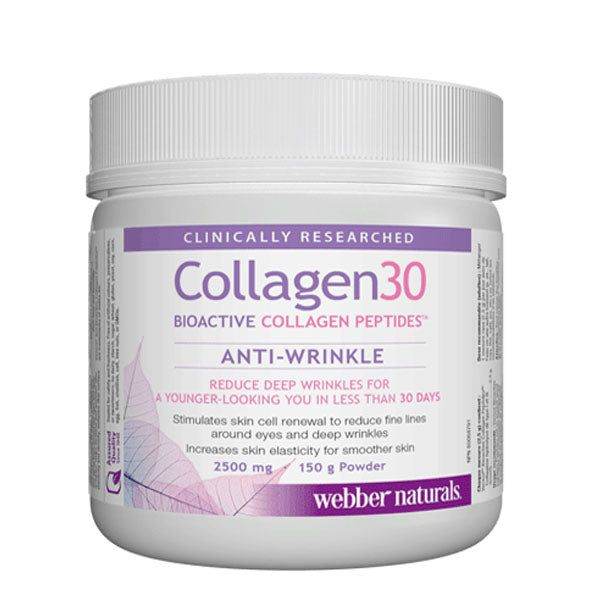
Webber Naturals Collagen 30 Anti-Wrinkle, 150g
- Best for: Skin-focused collagen peptides
- Strength: 2,500mg Collagen Peptides
- Pack: 150g Powder
Webber Naturals Collagen 30 Anti-Wrinkle is a beauty-focused powder containing 2.5g of VERISOL® bioactive collagen peptides per serving. The current formula uses hydrolyzed bovine Type I and III collagen peptides.
This makes it particularly relevant for someone comparing collagen products primarily for skin rather than simply looking for the highest gram amount per serving.
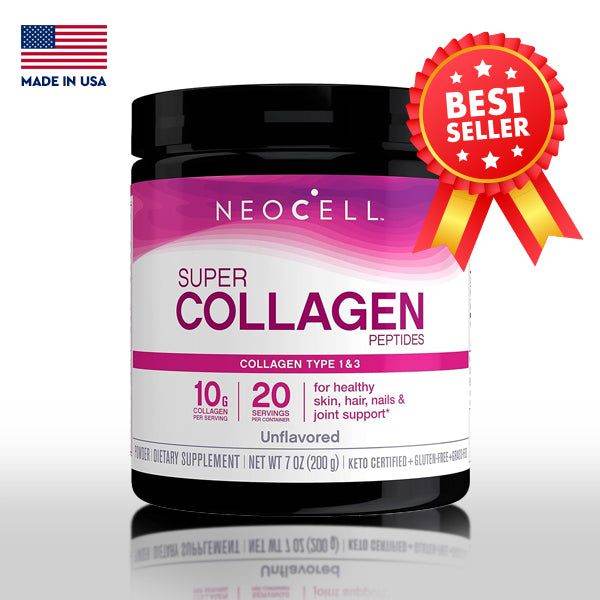
NeoCell Super Collagen Powder, 198g
- Best for: Higher-dose Type I & III collagen powder
- Strength: 6,600mg Collagen Peptides
- Pack: 20 Servings
NeoCell Super Collagen Powder provides 6.6g of hydrolyzed bovine Type I and III collagen peptides per serving.
It is an unflavoured powder, making it useful for people who prefer mixing collagen into water, coffee, juice or smoothies instead of taking multiple tablets.
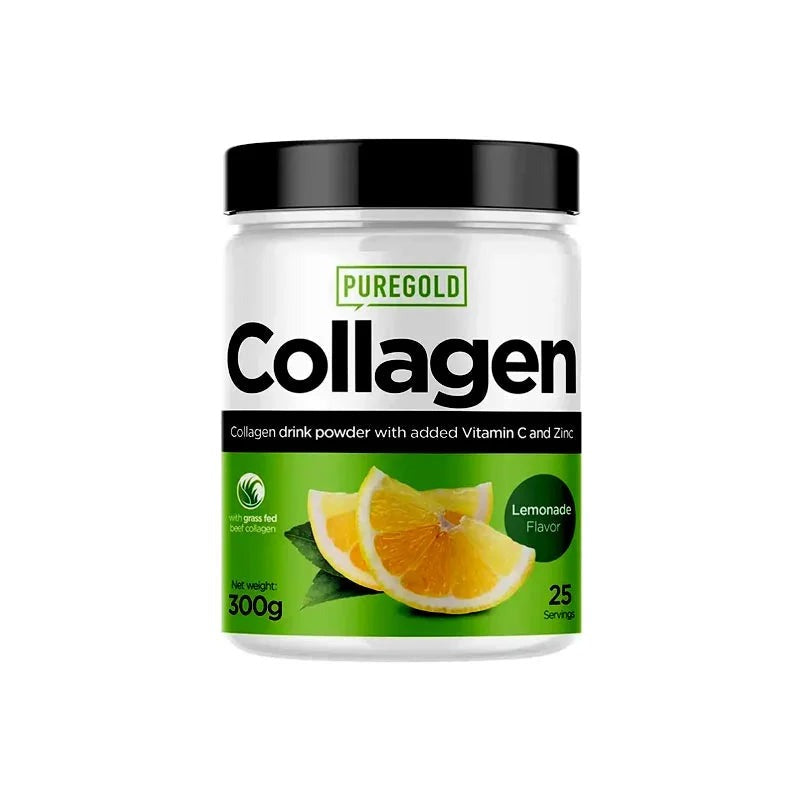
PureGold Collagen, 25 Servings
- Best for: Marine collagen with added probiotic
- Form: Hydrolyzed Marine Collagen Peptides
- Pack: 25 Servings
PureGold Collagen provides a different option because it uses hydrolyzed marine collagen peptides rather than bovine collagen. The formula also contains Bacillus coagulans as an added probiotic.
If your main objective is choosing between multiple powders rather than understanding collagen itself, see our dedicated collagen powder in Pakistan comparison.
How to Choose a Collagen Supplement
Don't choose collagen because the tub is pink, says “anti-aging,” or has a celebrity-style beauty claim on the front.
Turn the bottle around.
Here's what actually deserves your attention.
1. Check the Amount of Collagen Per Serving
Different products provide very different amounts.
A tablet might contain a few hundred milligrams, while a powder may provide several grams per serving.
Compare the serving size as well. A label may advertise a large number prominently while requiring several tablets to reach that amount.
2. Look at the Collagen Source
Check whether the collagen comes from cattle, fish or chicken.
This matters for dietary preferences, allergies and religious considerations.
For shoppers in Pakistan who specifically require a Halal collagen supplement, don't assume a product is Halal simply because collagen itself is commonly consumed. Check the manufacturer's source and Halal certification where this matters to you.
3. Check the Collagen Type
Types I and III are common in beauty-oriented bovine collagen formulas, while marine collagen commonly provides Type I.
Type II is more commonly associated with cartilage and joint-focused products.
4. Look for Hydrolyzed Collagen or Peptides
Hydrolyzed collagen is broken into smaller peptides and is widely used in oral collagen research.
This is particularly common in collagen powders designed to dissolve in drinks.
5. Check Added Ingredients
Some collagen formulas contain vitamin C, biotin, hyaluronic acid, zinc, probiotics, sweeteners or flavouring.
Extra ingredients are not automatically better.
They may be useful depending on your needs, but you should know what you're paying for and avoid unnecessarily duplicating nutrients already present in your multivitamin.
Does Vitamin C Help Collagen Production?
Yes. Vitamin C has an established biological role in normal collagen synthesis.
This is different from saying every collagen product must contain vitamin C.
You can obtain vitamin C through food as well.
Foods commonly available in Pakistan such as guava, oranges, kinnow, lemons, bell peppers and tomatoes can contribute vitamin C to your diet.
If you're comparing supplements containing vitamin C separately, you can explore the Vitamin C collection.
How Long Does Collagen Take to Work?
Don't expect a scoop of collagen today to change your skin tomorrow morning.
Most research assessing visible skin outcomes follows participants for several weeks or months rather than several days.
Many collagen studies assessing skin hydration or elasticity evaluate results after roughly 8–12 weeks or longer, although study durations and formulations differ.
Joint studies may also use supplementation for several months.
That means consistency matters if you decide to try collagen.
It also means you should be skeptical of products promising dramatic changes in a few days.
When Is the Best Time to Take Collagen?
There's no strong evidence that everyone must take collagen at one specific hour of the day.
You do not automatically lose the benefits because you mixed collagen into your evening drink instead of your morning coffee.
The practical priority is following the manufacturer's serving instructions and choosing a routine you can maintain consistently.
We've covered timing, drinks, food and beginner questions separately in our guide on when and how to take collagen supplements, so there is no need to duplicate that entire topic here.
Collagen Powder vs Tablets: Which Is Better?
Neither form is automatically better.
The main difference is convenience and how much collagen can practically fit into each serving.
| Form | Advantages | Considerations |
|---|---|---|
| Powder | Can conveniently provide several grams of collagen and mix into drinks. | Requires mixing and may have flavour or texture depending on the product. |
| Tablets/Capsules | Convenient, portable and requires no mixing. | Several tablets may be required to provide the same gram amount as a powder. |
| Liquid | Ready to consume and convenient for people who dislike pills. | May contain flavours, sweeteners and other ingredients. |
Compare the actual collagen amount, formulation and serving size rather than assuming powders are more effective simply because they look more premium.
Can You Get Collagen From Food?
Your body can make collagen without a collagen supplement.
To do that, it requires adequate protein and the nutrients involved in collagen synthesis.
Protein-rich foods provide amino acids that your body uses to build its own proteins.
Useful foods include:
- Chicken
- Fish
- Meat
- Eggs
- Dairy foods
- Legumes and other protein-rich plant foods
Vitamin C-rich foods are also important because vitamin C is required for normal collagen formation.
A balanced diet therefore remains important even if you use a collagen supplement.
Collagen Supplement Side Effects and Safety
Collagen supplements are generally tolerated by many healthy adults, but that doesn't mean every product is appropriate for everyone.
Possible issues can include:
- Digestive discomfort
- Bloating or feelings of fullness
- Unpleasant taste or aftertaste
- Reactions to other ingredients in the formula
- Allergic reactions related to the collagen source
If you have a fish allergy, be particularly careful with marine collagen.
Likewise, people with dietary restrictions should check whether a product contains bovine, marine, porcine or chicken-derived ingredients.
If you are pregnant, breastfeeding, have kidney disease, are following a medically restricted protein diet or have another significant health condition, speak with a healthcare professional before adding a concentrated collagen supplement.
Who May Want to Consider Collagen?
Collagen isn't a nutrient that every adult must take as a supplement.
People commonly consider it when they are specifically interested in:
- Supporting skin hydration and elasticity
- Adding collagen peptides to a healthy-aging routine
- Exploring nutritional support for joint comfort
- Increasing dietary protein through a collagen-based product
- Using a specific clinically studied collagen peptide formula
The decision becomes more useful when you have a clear reason rather than taking collagen simply because it is trending on social media.
Frequently Asked Questions About Collagen Supplements
Do Collagen Supplements Actually Work?
Some clinical studies suggest hydrolyzed collagen peptides may modestly improve skin hydration and elasticity. Collagen-based supplements have also shown promising results for pain and physical function in some studies involving knee osteoarthritis. However, outcomes vary, and not every commercial collagen supplement has been clinically tested.
What Type of Collagen Is Best for Skin?
Type I collagen is the most abundant collagen in skin and is common in both bovine and marine collagen products. Types I and III are frequently combined in bovine beauty formulas. Rather than focusing on collagen type alone, also look at the peptide formulation, amount per serving and evidence behind the specific ingredient.
Is Marine Collagen Better Than Bovine Collagen?
Not automatically. Marine collagen commonly provides Type I collagen, while bovine products often provide Types I and III. Both can be hydrolyzed into collagen peptides. There isn't enough evidence to say that every marine collagen product will produce better results than every bovine product.
Does Collagen Help With Hair Loss?
There isn't strong enough human evidence to recommend collagen as a proven treatment for hair loss. Hair loss can have many causes, including iron deficiency, thyroid disorders, hormonal changes, stress, genetics and illness, so persistent hair shedding deserves proper evaluation.
Can Men Take Collagen Supplements?
Yes. Collagen isn't a women-only supplement. Men and women have collagen throughout their skin, joints, bones and connective tissues. Whether supplementation is useful depends on the individual's goal rather than gender.
Are Collagen Supplements Halal?
It depends on the source and manufacturing process. Bovine, marine and chicken collagen may be acceptable depending on sourcing and certification, while consumers who specifically require Halal products should verify the manufacturer's certification instead of assuming that every collagen supplement is Halal.
How Long Should You Take Collagen Before Judging the Results?
Visible changes should not be expected immediately. Many skin studies assess participants after around 8–12 weeks or longer, while some joint studies continue for several months. Follow the manufacturer's directions and evaluate collagen as part of your overall diet and lifestyle rather than expecting overnight results.
Is Collagen Powder Better Than Collagen Tablets?
Not necessarily. Powder can make it easier to consume several grams of collagen in one serving, while tablets are convenient and portable. Compare the amount of collagen per serving and the specific formulation rather than the dosage form alone.
Can I Take Collagen With Vitamin C?
Yes. Vitamin C is required for normal collagen synthesis. Some products contain vitamin C in the formula, but you can also obtain it from foods such as guava, citrus fruits, peppers and tomatoes.
Conclusion
So, do collagen supplements work?
The most accurate answer is: they can provide modest benefits in some areas, but they don't do everything the marketing promises.
Research is most encouraging for certain measures of skin hydration and elasticity and for joint symptoms in some people, particularly those studied for osteoarthritis.
Evidence for hair growth, dramatic nail improvements and “gut healing” is much weaker.
If you're considering collagen supplements in Pakistan, look beyond phrases such as “anti-aging” and “premium collagen.” Check the collagen source, type, amount per serving, peptide formulation, added ingredients and dietary suitability.
Most importantly, remember that collagen is only one part of the picture.
Adequate dietary protein, vitamin C, exercise, sun protection, sufficient sleep and avoiding smoking all contribute to maintaining healthy tissues as you age.
If you're ready to compare specific products instead of learning about the science, continue to our Best Collagen Supplements in Pakistan guide, where we compare individual options by formulation, type and use case.

